

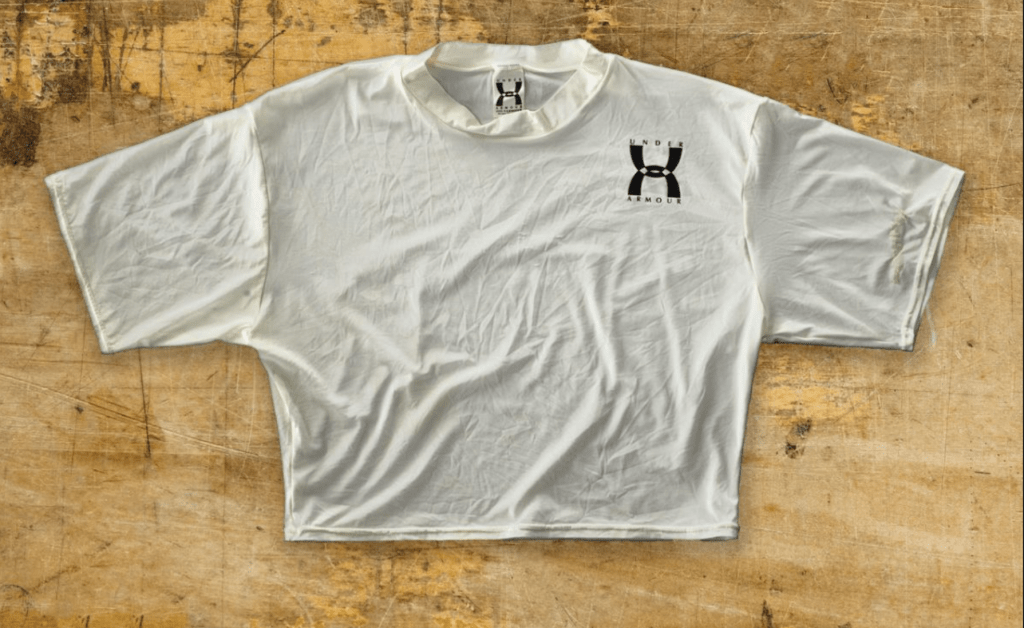
Under Armour was a small startup founded in 1996 by Kevin Plank with their first product being Prototype #0037 – “The Shorty”. The shirt was soft, skin-tight, and wicked sweat faster than any of the other workout gear available. By 2021, the brand is sold in over 100 countries, and employ over 17 thousand employees.
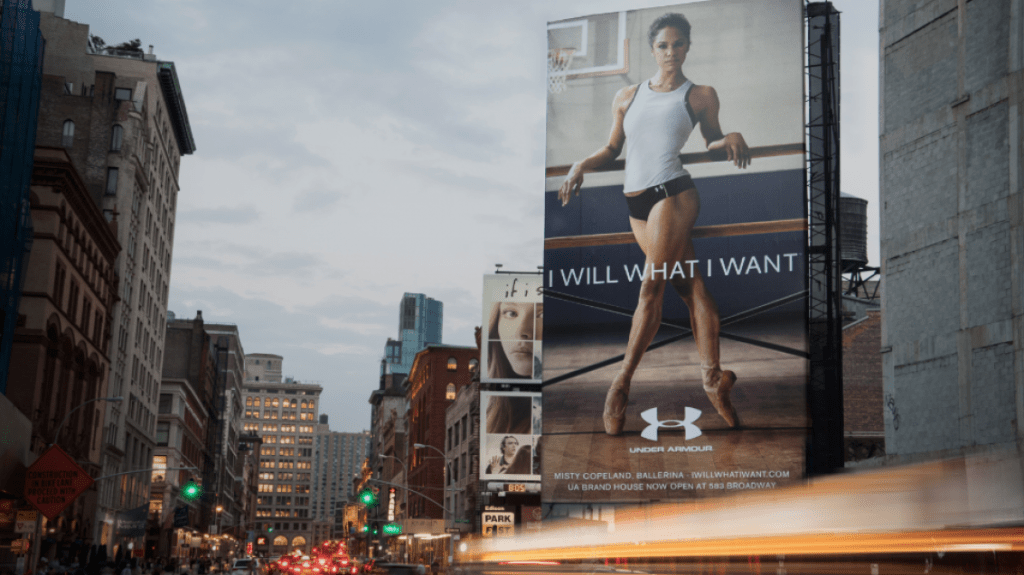
In 2013, Under Armour had $2.3 billion in sales yet only $500 million came from its women’s apparel. (Maheshwari, 2014) Plank was ready to expand into the female market segment. So, in 2013, the company launched a new campaign.
“I Will What I Want”
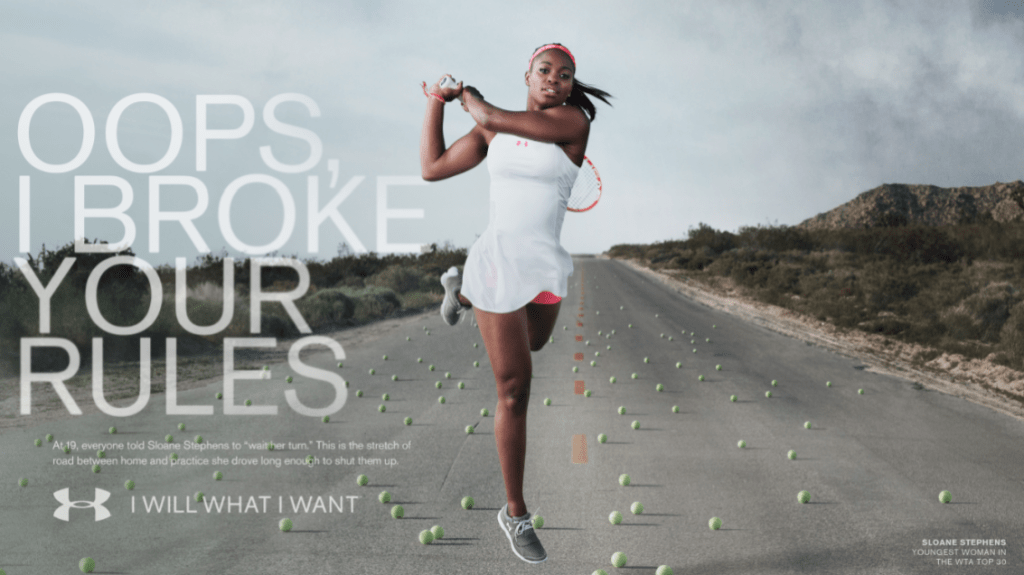
Under Armour targeted active women who were into spin classes, kickboxing, barre, and yoga. The overall strategy was to highlight the underdog female athlete and emphasize their strength to overcome the challenges faced against them. The ad displayed nonconventional women beautifully and powerfully excelling in their sport.
Here are some key points to remember when implementing segmentation strategies.
- Know your audience. Understanding how a customer will use your product will make sure it is marketed properly.
- Know your geographic targets. When implementing segmentation strategies, you need to consider where your target market is located, cultural norms, and languages.
- Know how to engage. Engaging personally with your audience through social media is key to connecting with your consumers in a positive and relative manner.
- Develop a messaging strategy. A message that resonates with your target audience and sparks interest in your brand within the consumer.
A new market segment that I have noticed over the past few years is LGBTQ+ families. I see a rise of more pride-focused ads showing same-sex families, and couples in print and video. Negative attitudes toward same-sex families have decreased in the last few years and more brands proudly display their support throughout the month of June, but this segmented market is missing support for the rest of the year. Data points showed that 60% of consumers believed brands that integrated same-sex couples in their ads were being inclusive and establishing a relationship with both, LGBTQ, and non-LGBTQ audiences. (Motivate, 2018)

References:
Maheshwari, S. (2014, July 31). Why under armour made that mesmerizing ad with ballerina Misty Copeland. BuzzFeed News. Retrieved October 31, 2022, from https://www.buzzfeednews.com/article/sapna/under-armours-powerful-new-misty-copeland-ad-kicks-off-recor#.ookjnO1r9
Motivate. (2018, February 20). Building a marketing strategy that reaches LGBTQ families. Motivate ROI. Retrieved October 31, 2022, from https://motivateroi.com/building-a-marketing-strategy-that-reaches-lgbtq-families/
 marketingwithali.com