
Let’s talk about Top dog brands vs Underdog brands.
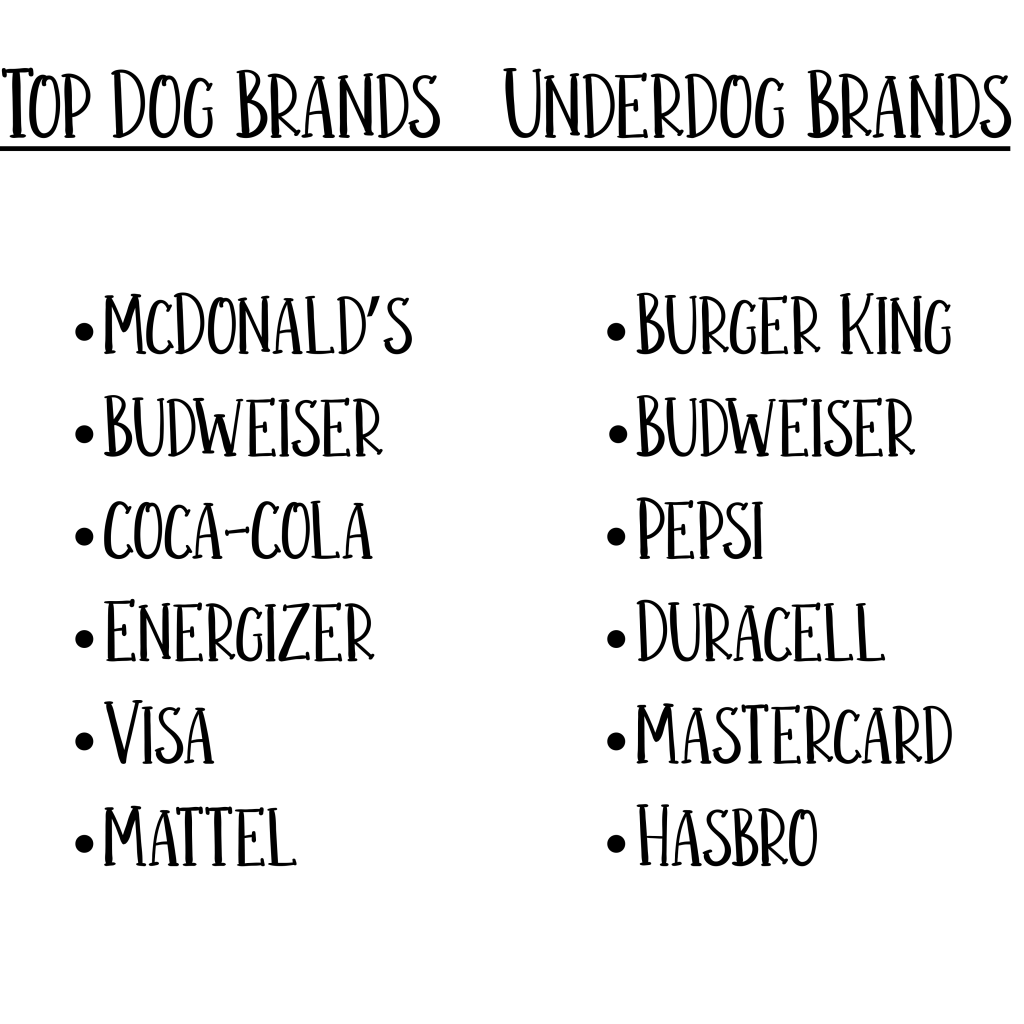

Competition between brands is natural, but few rivalries are as ingrained in our culture as the long-standing battle between Coca-Cola and Pepsi. Since its birth at a soda fountain in downtown Atlanta in 1886, Coca‑Cola has been a catalyst for social interaction and inspired innovation. Coca-Cola is available in multiple countries all over the world making it one of the most recognizable brands on a global scale. Pepsi, originally marketed as Brad’s Drink in 1893, was edgy and more centered on value.
What are the marketing strategies?
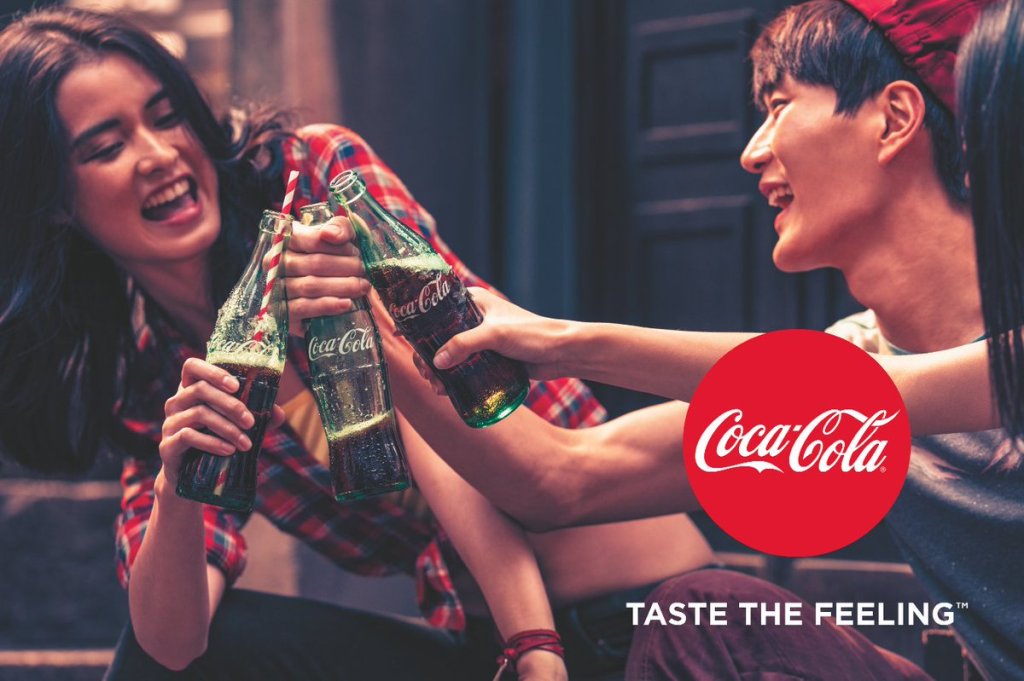
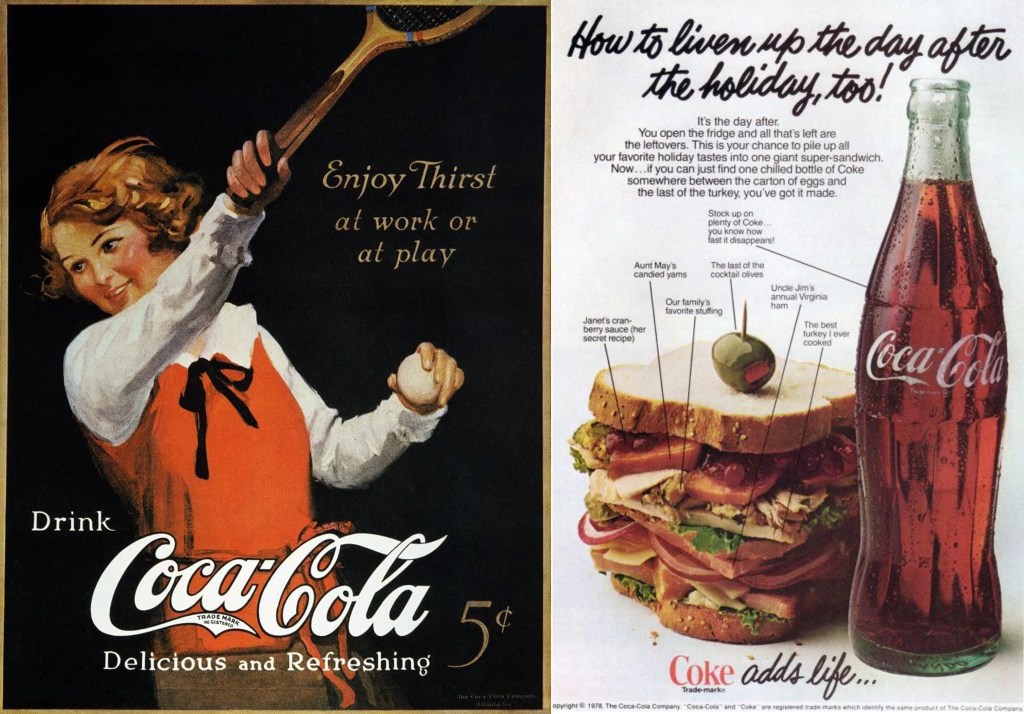
Coca-Cola’s marketing strategy is focused on tradition and emotions. Their marketing message is targeted to wider demographics; with the direct message of “friendship, love, and kindness”. They make themselves seem like a lifestyle product by portraying themselves as a drink to share on special occasions with friends and family. This gives the brand a positive outlook on how they fit into everyone’s lives.
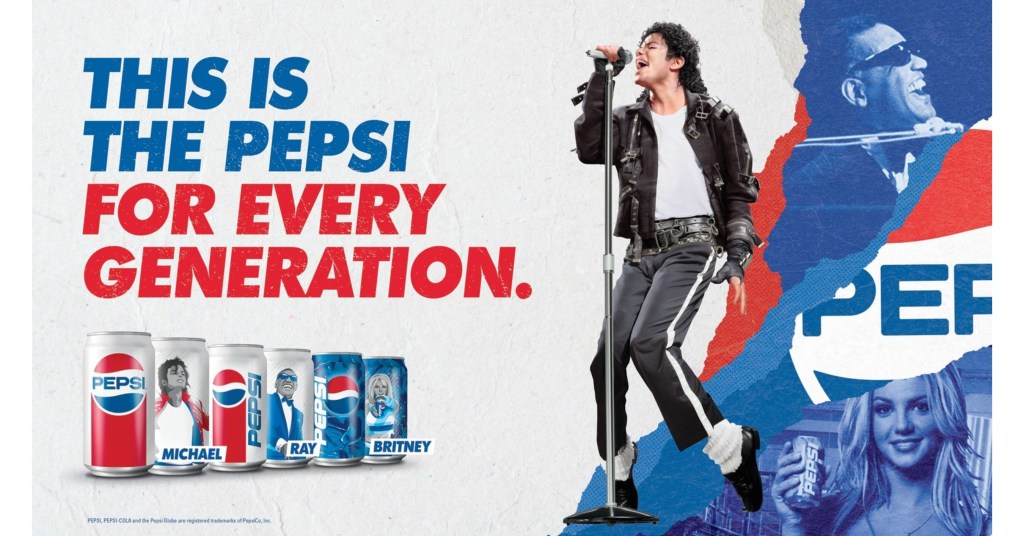
On the other hand, Pepsi uses a reactive strategy. They aim to target a younger demographic and use celebrities and social media influencers to help sell their products. Pepsi has used celebrity endorsers such as Michael Jackson, Madonna, Ray Charles, Beyonce, Britney Spears, and Kendall Jenner in their advertisements.
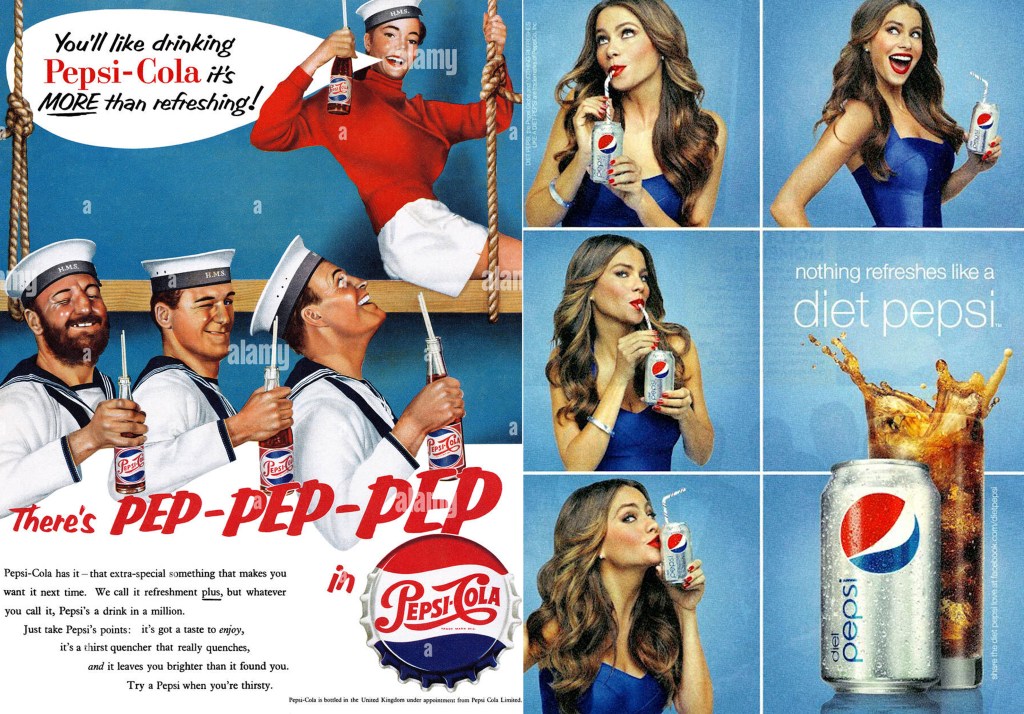
So how can Pepsi improve its strategy so that it can gain more market share and surpass Coca-Cola?
Pepsi is already working hard to compete with Coke and is taking major steps to try to surpass them in the soda industry. One of the major things they can do right now offers their products at a cheaper cost than Coca-Cola offers theirs. With inflation on the rise, soda is becoming a luxury item and fewer consumers are buying these items when grocery shopping. Pepsi could advertise that they are lowering its prices during these hard times and could see an increase in sales over the Coke brand. Another strategy that Pepsi could take would be to engage its customers on a more personal level. The use of celebrities and influencers catches the attention of the younger generation, however, the view on certain celebrities can change and then damage the Pepsi brand. A prominent example of this was Tiger Woods in 2009 when rumors of his infidelity surfaced, and brands began to drop him as a sponsor to avoid the backlash from consumers. Lastly, Pepsi can keep offering variations of its soda to keep up with the competition of Coke. With Pepsi Nitro, a coffee beverage, and their new team-up with Starbucks creating their line of BAYA energy drinks, they are creating competition for Coke to keep offering variations of its products as well.
There are many factors that go into what makes a brand a top dog and what makes its competitors an underdog. I believe that because Coke is the original cola-flavored soda, it is preferred more over Pepsi. The brand draws in loyal, traditional consumers who can easily recognize the brand and recount an advertisement they have seen by Coke. For me, I think Pepsi is the lowest quality soda judging by taste and I avoid restaurants that only serve Pepsi soda.
So, which do you prefer?
References:
Kraft, K. (2018, October 22). The Pros and cons of celebrity endorsements. Baer Performance Marketing. Retrieved November 29, 2022, from https://baerpm.com/2018/01/02/pros-cons-celebrity-endorsements/#:~:text=Celebrities%20are%20plastered%20all%20over,celebrity%20to%20represent%20your%20brand.
Peterson, K. (2022, April 7). Pepsi and Coca-Cola are releasing these 4 new Sodas. Eat This Not That. Retrieved November 29, 2022, from https://www.eatthis.com/news-coca-cola-pepsi-new-sodas-spring-2022/
YouTube. (2014). Top 10 Business Rivalries. YouTube. Retrieved November 29, 2022, from https://www.youtube.com/watch?v=1OE4Q60Dzyw.
 marketingwithali.com