
Corporate social responsibility (CSR) is vital not just for the environment, society, and the world at large, but also for corporate reputation. Corporate social responsibility strategies improve consumer trust which leads to increased revenue for businesses. A survey of more than 10,000 people aged 18 to 25 years old in 22 countries found that climate change and pollution are the most important issues facing the world, according to Generation Z. (Clifford, 2021)
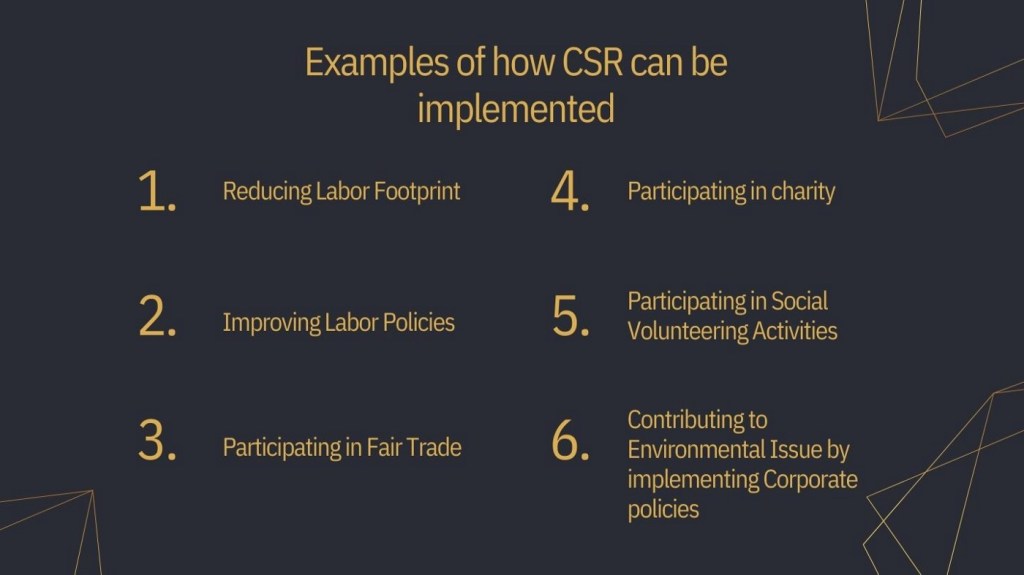
So how does Google conduct business in a socially responsible way?
In September 2020, Google announced that it matched 100 percent of its global electricity use with purchases of renewable energy for the third year in a row. They signed agreements to buy power from more than 50 renewable energy projects, about the same as a million solar rooftops.

Some of the renewable energy projects that Google started in 2020 include:
- Google’s first offshore wind project in the North Sea contributes electrons to the grid where the Belgium data center runs.
- Google began purchasing power from a solar farm in the Antofagasta region of Chile to match the load in South America.
- In Singapore, Google distributed solar panels to hundreds of public housing rooftops to source new clean energy for the country.
- To give a boost to U.S. data centers, large-scale solar and wind projects have been started.
Google hasn’t always been so responsible, however. The company has come under fire for tax avoidance. Google handles paid licensing and subscriptions to its services via holding companies in tax haven jurisdictions such as Bermuda and the Netherlands. Both countries do not collect an income tax, which allows Google to report the transaction as occurring at the seller’s location, not the buyers’, so most of its sales outside the U.S. are not taxed. Technically legal, but the governments are being cheated, and citizens call it highly unethical.
I believe that Google intends to be green for the environment, and with its numerous renewable energy projects, they are heading in the right direction.
References:
Clifford, C. (2021, July 15). Google CEO Sundar Pichai: Climate is ‘bar none’ the no. 1 concern for young people. CNBC. Retrieved December 6, 2022, from https://www.cnbc.com/2021/07/15/google-ceo-bar-none-climate-is-young-peoples-top-concern.html
Hölzle, U. (2021, April 20). Four consecutive years of 100% renewable energy—and what’s next. Google achieves four consecutive years of 100% renewable energy | google cloud blog. Retrieved December 6, 2022, from https://cloud.google.com/blog/topics/sustainability/google-achieves-four-consecutive-years-of-100-percent-renewable-energy
Ungoed-Thomas, J., & Helm, T. (2021, October 31). Osborne’s ‘Google Tax’ on overseas profits now raises zero revenue, Treasury reveals. The Guardian. Retrieved December 6, 2022, from https://www.theguardian.com/politics/2021/oct/31/osbornes-google-tax-on-overseas-profits-now-raises-zero-revenue-treasury-reveals
 marketingwithali.com