

Jeep is an iconic American brand known for its rugged off-road vehicles. The company was founded in 1941 by Willys-Overland and played a crucial role in World War II by producing vehicles for the military. After the war, Jeep focused on creating consumer vehicles, and its popularity skyrocketed. Today, Jeep is owned by Fiat Chrysler Automobiles and continues to produce SUVs and trucks beloved by adventure-seekers and off-road enthusiasts. Jeep’s success can be attributed to a combination of factors, including its ability to evolve with changing consumer demands and its commitment to quality and innovation. The brand has always had a strong reputation for producing vehicles that can handle any terrain, which has helped it build a loyal customer base. Additionally, Jeep has been able to adapt to changing market conditions and consumer preferences, releasing new models and updates that keep its vehicles fresh and relevant. Jeep has become one of the world’s most successful and recognizable automotive brands through innovative marketing, quality craftsmanship, and a deep understanding of its customers.
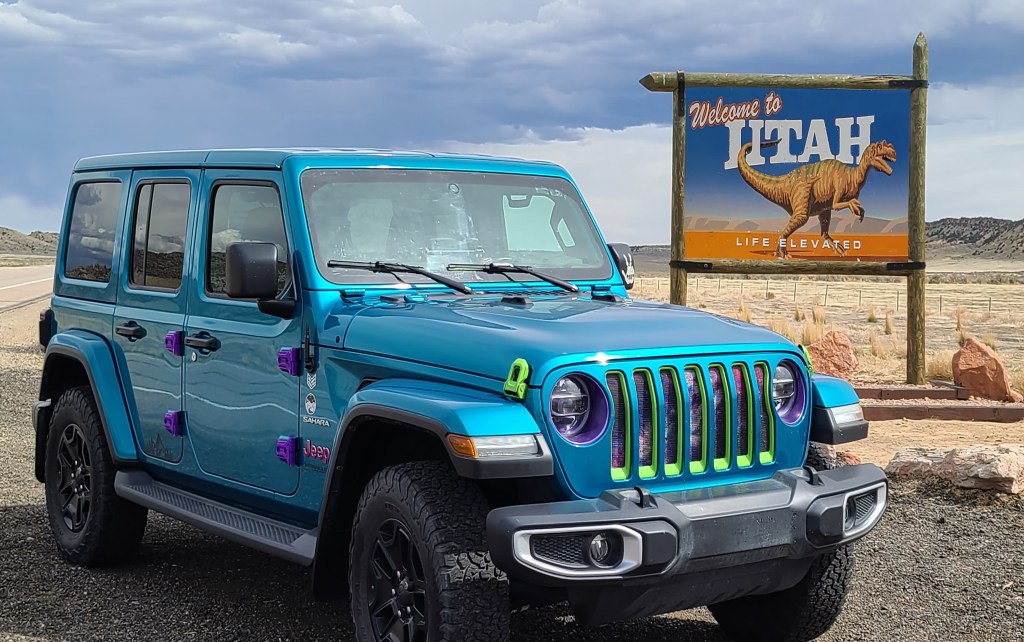

Jeep’s brand positioning has been instrumental in bringing them success. It is known for its ruggedness, durability, and versatility. The brand has always been associated with adventure and off-road capabilities, making it a favorite among outdoor enthusiasts, military personnel, and adventure seekers. It successfully positioned itself as a brand that can take you anywhere, and this has resonated with customers worldwide. Jeep’s brand mission is to provide the ultimate off-road experience for its customers through its iconic and rugged vehicles. The brand vision is to continue innovating and pushing the limits of what is possible in the off-road industry while maintaining its commitment to quality, reliability, and durability. Jeep’s brand identity is communicated through its name, logo, and slogan, embodying its adventurous spirit.
Jeep has also established a strong emotional connection with its customers by promoting a lifestyle rather than just selling a product. The company has built a community around its brand, creating events and experiences that unite Jeep owners and solidify the sense of belonging to a group of like-minded individuals. This has resulted in a loyal customer base that returns to buy new Jeeps and promotes the brand through word-of-mouth and social media. Jeep’s brand positioning has set them apart from its competitors and allowed them to remain relevant in a highly competitive market.


One strategy for effective brand positioning is to focus on its unique selling proposition (USP). Jeep’s USP is its reputation for producing rugged and durable vehicles that can handle any terrain. This sets them apart from other brands that may focus more on luxury or fuel efficiency. Jeep can appeal to consumers who value adventure and durability by emphasizing this USP in their marketing. Another strategy for effective brand positioning is to target a specific audience. Jeep’s ideal customer is someone who enjoys outdoor activities and seeks adventure. By targeting this group, Jeep can create a more tailored message and build a stronger customer relationship. This can be done through targeted advertising, social media campaigns, and sponsoring outdoor events and activities. Jeep can build a loyal customer base and differentiate itself from competitors who may have a broader target audience by positioning itself as the go-to brand for outdoor enthusiasts.
References:
Jeep® history: The legacy of different Jeep models by year (no date) Jeep. Available at: https://www.jeep.com/history.html (Accessed: 11 May 2023).
Wheeler, A. (2017). Designing Brand Identity: An Essential Guide for the Whole Branding Team (5th ed.). John Wiley & Sons, Inc. ISBN: 978-1-119-37541-8
 marketingwithali.com