
Chipotle Mexican Grill
Chipotle Mexican Grill is a popular fast-casual restaurant that specializes in Mexican cuisine. The restaurant was founded in 1993 in Denver, Colorado, and has since expanded to over 2,600 locations worldwide. Chipotle is known for its freshly made burritos, bowls, tacos, and salads customizable to each customer’s preferences. The restaurant’s commitment to using high-quality ingredients and sustainable farming practices has gained a loyal following among health-conscious consumers.
Chipotle Mexican Grill has faced several ethical and legal issues in recent years. One of the most significant ethical issues the company has faced was the 2015 E. coli outbreak that affected 60 people across 14 states in the United States. The outbreak led to the closure of several restaurants and resulted in a significant drop in sales for the company. Chipotle was criticized for its slow response to the outbreak and for not taking adequate steps to prevent the spread of the bacteria. As a result, the company implemented several measures to improve food safety, including changes in food preparation and training of employees.
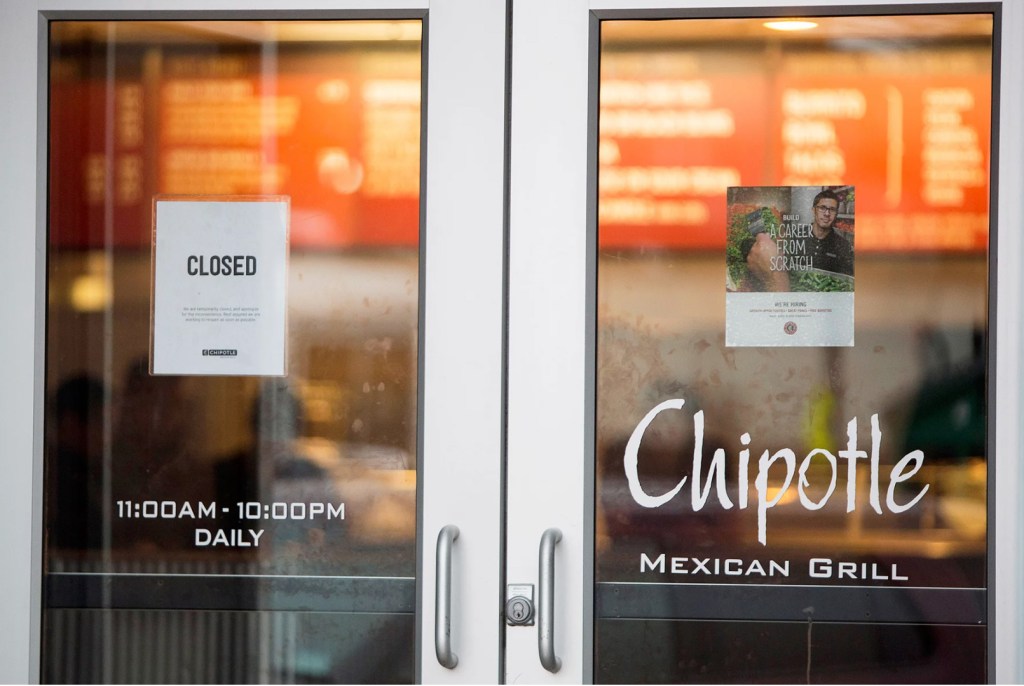
Chipotle has also faced ethical issues related to its treatment of workers and suppliers. In 2017, the company was accused of wage theft and violating labor laws by not paying workers for overtime and sick leave. The company also faced criticism for its procurement practices, with some suppliers accusing the company of using its market power to negotiate lower prices and unfair contracts. These issues have raised questions about Chipotle’s commitment to ethical business practices and its responsibility towards its workers and suppliers.
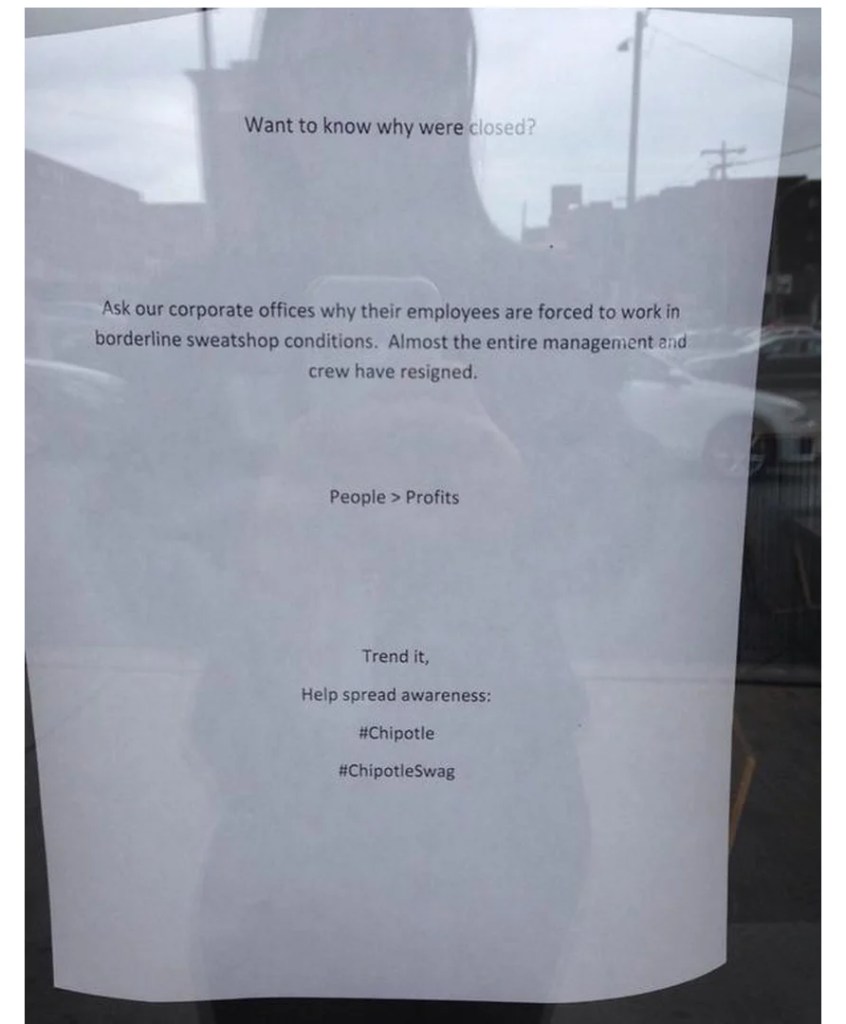
As a result of these ethical issues, Chipotle’s brand perception suffered. Consumers hesitated to dine at the restaurant chain due to concerns about food safety and labor practices. The company’s sales and revenue took a significant hit, and its stock price plummeted. The company has been working to regain consumer trust by improving its food safety practices and partnering with reputable suppliers. However, the damage has already been done, and many customers have turned to other fast-food chains for their meals. Chipotle’s experience highlights the importance of ethical business practices and the need for companies to be transparent with their customers. In today’s world, consumers are more aware of the impact their purchasing decisions can have and are actively seeking out companies that align with their values.
Chipotle implemented several initiatives to address these issues to improve its food safety practices, including enhanced employee training programs and new food safety protocols. The company also settled several wage theft and discrimination lawsuits, agreeing to pay millions of dollars in damages. While these measures may have helped to mitigate some of the damage, the long-term implications for Chipotle’s brand and reputation remain to be seen. The company will need to continue to prioritize ethical practices and be transparent in its efforts to regain the trust and loyalty of customers and stakeholders.
Firstly, Chipotle should have taken a more proactive approach to food safety by implementing comprehensive monitoring and testing programs for its suppliers. The company could have caught potential threats before reaching its restaurants by regularly inspecting ingredient sources and testing for pathogens at all supply chain stages. Additionally, Chipotle could have invested more in technology and automation to help prevent cross-contamination and ensure that food is cooked and stored at the appropriate temperatures. By taking these proactive measures, Chipotle could have avoided the negative publicity and financial losses that resulted from the food safety scandals and restored consumer trust in its brand.
Secondly, Chipotle should have addressed employee wage disputes more proactively. This could have involved increasing wages for workers to a fair and livable wage and offering better benefits and opportunities for advancement. By treating its employees well and providing a positive work environment, Chipotle could have attracted and retained top talent, which would have improved overall business performance. In conclusion, Chipotle could have avoided numerous controversies and emerged as a stronger and more reputable brand by taking these actions.
References:
Ettinger, J. (2018, October 22). Chipotle Mexican Grill “sweatshop conditions” forces walkout. Organic Authority. https://www.organicauthority.com/buzz-news/chipotle-mexican-grill-sweatshop-conditions-forces-walkout
Godlewski, N. (2018, July 31). Ohio Chipotle closed after customers fall ill. Newsweek. https://www.newsweek.com/chipotle-closed-illness-ohio-location-1050519
 marketingwithali.com