
The Harvard case study entitled “Two Hearts in Three-Quarter Time: How to Waltz the Social/Viral Marketing Dance” by Andreas M. Kaplan explores the world of viral marketing. Viral marketing relies on existing social networks, such as Twitter, Facebook, and YouTube, to promote a product or service. The goal of viral marketing is to create content that is so interesting, entertaining, or informative that people will want to share it with their friends and followers, creating a viral effect.

The study addresses the challenges companies face in creating successful viral marketing campaigns and emphasizes the need for companies to understand the dynamics of social media platforms.
The study defines viral marketing as a strategy that relies on social networks and other online platforms to spread information about a product or service. It highlights the importance of creating shareable content that resonates with the target audience and encourages them to share it with their social networks.

The case study provides several examples of successful viral marketing campaigns, including the “Will It Blend?” campaign by Blendtec and the “Dumb Ways to Die” campaign by Metro Trains Melbourne.
The “Will It Blend?” series was created by Blendtec, a blender manufacturer. The campaign features videos of Blendtec founder Tom Dickson blending various items, from iPhones to golf balls, to demonstrate the power and durability of Blendtec blenders. The videos quickly became a sensation and have been viewed millions of times, resulting in a significant boost in brand awareness and sales for Blendtec.

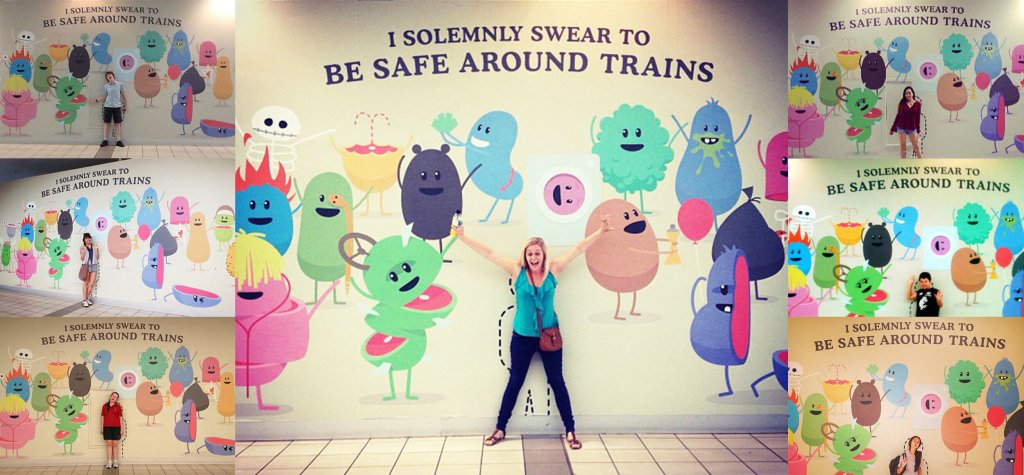
The “Dumb Ways to Die” campaign by Metro Trains Melbourne launched in 2012 and aimed to raise awareness about train safety and prevent accidents through quirky and catchy videos and song. The campaign, which has since gone viral, employs a creative and entertaining approach to educate its audience on the dangers of irresponsible behavior around trains.
These campaigns were successful because they were able to create content that was both entertaining and informative, which encouraged people to share it with their social networks. The case study also highlights the importance of understanding your audience and creating content tailored to their interests and needs. Overall, the case study provides valuable insights into viral marketing and the strategies that can be used to create successful campaigns.
Reference:
Kaplan, M., & Haenlein, M. (1994). Two hearts in three-quarter time: How to waltz the social media/viral marketing dance. Kelley School of Business. https://services.hbsp.harvard.edu/lti/links/content-launch
 marketingwithali.com