
“The Pepsi Refresh Project: A Thirst for Change” by Michael I. Norton and Jill Avery describes PepsiCo’s bold attempt to shift its marketing strategy by focusing on social responsibility and cause-related marketing. The project aimed to engage customers, especially millennials, by allowing them to submit ideas for social good projects and vote on which ones should receive funding. This approach was significantly different from traditional marketing tactics prioritizing direct product promotion.
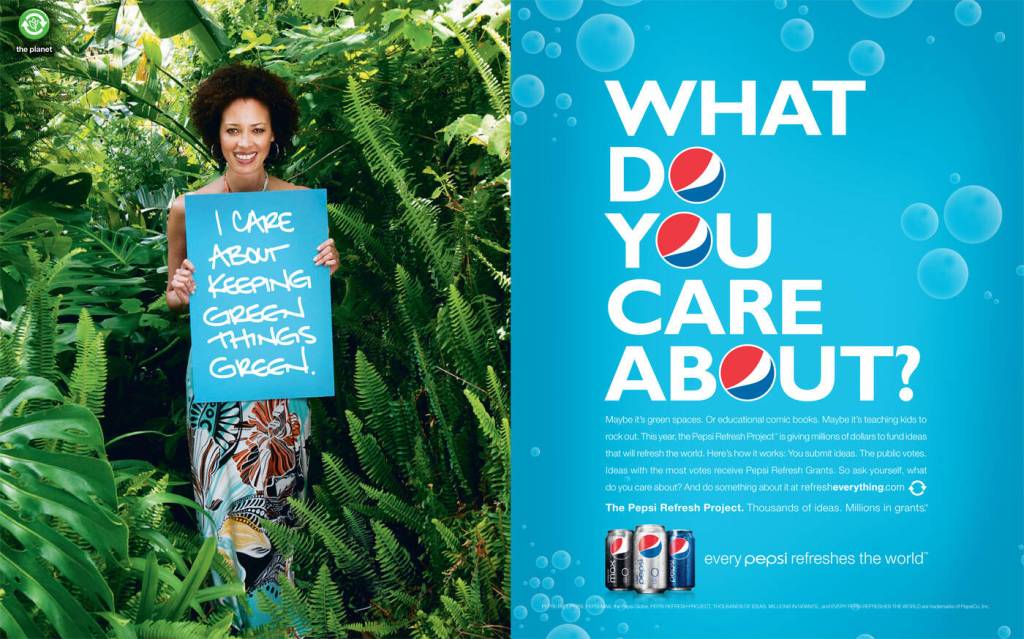
The article examines how the Pepsi Refresh Project leveraged the power of social media to engage with customers and promote social change. The authors argue that the campaign was innovative, promoting the brand and supporting social causes. However, the article also highlights the challenges faced by the campaign, including the need for more alignment between the brand image and the social causes promoted and the tension between profit and social responsibility. Overall, the article provides valuable insights into the potential of cause-related marketing and the importance of authenticity and transparency in brand communication.
The decision of PepsiCo to pass on Super Bowl ads and instead invest in social media programs for their Pepsi Refresh campaign has been the subject of debate and analysis. While traditional advertising during the Super Bowl has been a long-standing tradition, the emergence of social media as a powerful marketing tool has led companies to explore new avenues for reaching their target audience. PepsiCo’s decision to prioritize social media over Super Bowl ads indicates a shift in the marketing landscape and highlights the importance of digital platforms in modern marketing strategies. By investing in social media programs, PepsiCo was able to engage with a wider audience and encourage community participation. The campaign successfully generated buzz and garnered support, with over 80 million votes cast for various projects. (Campaign, 2017) The decision to invest in social media programs allowed PepsiCo to advertise its brand and establish a positive image by promoting social responsibility. In conclusion, passing on Super Bowl ads and investing in social media programs was a good idea for the Pepsi Refresh campaign, leading to increased engagement and positive brand recognition.
References:
Campaign. (2017, April 10). History of advertising: No 185: The Pepsi Refresh Project. Campaign US. https://www.campaignlive.com/article/history-advertising-no-185-pepsi-refresh-project/1424314#:~:text=More%20than%2080%20million%20votes,aware%20of%20the%20Refresh%20Project.
Norton, M., & Avery, J. (2013, August 26). The Pepsi Refresh Project: A Thirst for Change. Harvard Business School. https://services.hbsp.harvard.edu/lti/links/content-launch
 marketingwithali.com