
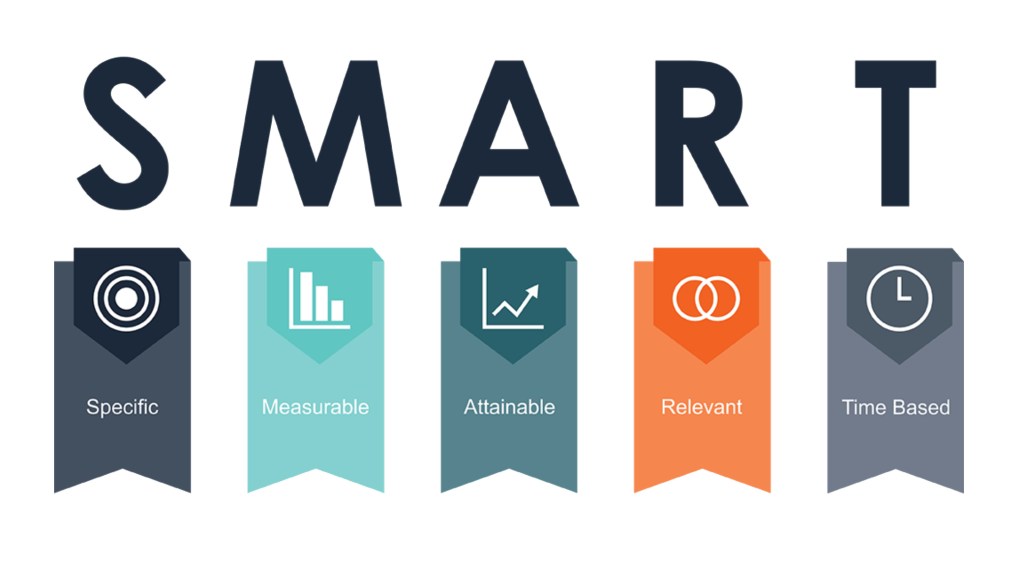
Marketing objectives are essential for companies as they serve as a roadmap for achieving their business goals. These objectives provide a clear direction for the marketing team and help them focus their efforts on specific targets. By setting measurable and achievable marketing objectives, companies can ensure that their promotional activities are aligned with their mission, objectives, and goals.
One example of a marketing objective is to increase brand awareness. This objective focuses on making the company’s brand more recognizable and familiar to potential customers. Companies may employ strategies such as advertising campaigns, social media marketing, and public relations activities to achieve this. By increasing brand awareness, companies aim to enhance their visibility and reputation in the market, which can lead to increased customer trust and loyalty.
To align marketing activities with the organization’s mission, objectives, and goals, companies must establish a strong connection between their marketing and overall business strategies. This can be done by thoroughly analyzing the company’s mission and goals and identifying the specific marketing objectives contributing to their achievement. (Yang, 2018) For example, if a company’s mission is to be the market leader in a specific industry, one of its marketing objectives could be to increase market share by a certain percentage within a specified timeframe.
In developing marketing objectives, companies must consider legal and ethical issues to ensure their activities are conducted responsibly and competently. The concept of ethical marketing involves the conscientious promotion of products or services, ensuring that they are presented in a truthful and socially responsible manner. (Neely, 2023) This involves adhering to relevant laws and regulations, such as advertising, data protection, and consumer rights. Companies should also consider ethical considerations, such as avoiding misleading or deceptive marketing tactics and respecting consumer privacy. By incorporating legal and ethical considerations into their marketing objectives, companies can build trust with their target audience and enhance their reputation in the market.
In conclusion, marketing objectives are vital in guiding companies towards achieving their business goals. By aligning marketing activities with the organization’s mission, objectives, and goals, companies can ensure that their efforts are focused and effective. Furthermore, considering legal and ethical issues in developing marketing objectives is essential for maintaining compliance and building a positive brand image.
References:
Neely, N. (2023, February 24). Doing the right thing: The importance of ethical marketing practices. LinkedIn. https://www.linkedin.com/pulse/doing-right-thing-importance-ethical-marketing-practices-nathan-neely/
Yang, S. (2018, March 23). How to align marketing initiatives with business objectives to skyrocket growth. Medium. https://suttida.medium.com/how-to-align-marketing-initiatives-with-business-objectives-to-skyrocket-growth-a1a6e1d7ff24
 marketingwithali.com