Unlocking Growth for Small Town Shops Through Social Media

In today’s digital age, even the smallest businesses in the smallest towns have a remarkable tool at their fingertips: social media. While many small-town shops rely heavily on word-of-mouth and local reputation, incorporating social media marketing can unlock incredible new opportunities to expand customer reach, strengthen relationships with locals, and ultimately boost sales. Here’s why social media marketing is becoming essential for small-town shops looking to thrive.

1. Reach Beyond the Locals

In small towns, customers are often limited to locals and nearby residents. While these communities are invaluable to a shop’s foundation, social media marketing provides a way to go beyond physical borders. Platforms like Instagram, Facebook, and TikTok can help showcase products to visitors, tourists, and even those willing to make the trip from nearby cities. By sharing posts that highlight unique products, hometown charm, or specialty services, small-town shops can appeal to a wider range of people who might be curious enough to stop by on their next trip.

2. Strengthen Community Connections

Small towns thrive on close-knit relationships, and social media allows these relationships to flourish in a virtual space. When customers see a local business posting about events, featuring customers, or sharing behind-the-scenes content, it creates a sense of familiarity and trust. Responding to comments, thanking customers, and sharing positive reviews are all ways to build goodwill, making locals feel valued and included in the shop’s journey. This digital connection can reinforce community loyalty, turning followers into repeat customers and genuine supporters.

3. Cost-Effective Advertising

Many small-town shops operate on tight budgets, and traditional advertising—like print or radio ads—can be expensive with limited reach. Social media offers a far more budget-friendly alternative. By using free features like posts, stories, and reels, shop owners can spread the word without spending a penny. For shops with some marketing budget, even a small amount allocated to social media ads can significantly expand their visibility. Ads can be customized to target people in nearby areas, helping to draw in potential customers who may not know about the shop.

4. Showcase Unique Products and Storytelling

Small-town shops often carry unique, handpicked, or locally made products that big-box stores don’t. Social media is an ideal platform to showcase these items in an authentic, visual way. Platforms like Instagram and Pinterest are perfect for sharing high-quality images of products, while TikTok and Facebook provide the space to share videos, customer testimonials, and behind-the-scenes looks at your shop. This storytelling approach can create a personal connection with followers, who will be more inclined to support a business they feel connected to.

5. Real-Time Customer Feedback

Social media allows businesses to interact with customers in real-time, making it easier to receive feedback and respond to concerns. By monitoring comments, messages, and reviews, shops can better understand what their customers want and address any issues promptly. This open communication channel strengthens the customer experience and builds trust, as patrons know their voices are heard and valued.

6. Boosting Word-of-Mouth Marketing

For small-town shops, word-of-mouth is vital. Social media amplifies this traditional form of marketing, enabling happy customers to share their experiences with friends, family, and followers. When customers tag the shop in posts, leave positive comments, or check in, it creates organic promotion. Other locals or potential visitors who see these interactions may be more likely to check out the business. With the right social media strategy, a single customer’s good experience can lead to new followers, more foot traffic, and ultimately, sales.

7. Seasonal and Local Event Promotions

Small-town shops often rely on the local calendar—whether it’s holiday shopping, community events, or seasonal festivals. Social media provides a quick, easy way to promote any special events or sales to the community. If your town is hosting a fair or parade, for instance, you can use platforms to let potential customers know about special offers, extended hours, or any community involvement you have planned. These promotions can attract both locals and out-of-towners who may be in town just for the occasion.

8. Staying Competitive

While your shop might be the only one of its kind in town, e-commerce competition is fierce. With countless products available online, customers have many choices at their fingertips. By leveraging social media, your shop can stay competitive, offering a unique, personalized experience that online retailers struggle to match. Posting regularly on social media allows small-town shops to stay top-of-mind, reminding locals and visitors alike why shopping local has so much value.

Final Thoughts

Social media marketing has transformed the way small-town shops can engage with their communities and reach new customers. By combining the benefits of online visibility with the personalized, welcoming touch that small-town businesses are known for, social media becomes a powerful tool for growth. So, if you’re a small-town shop owner looking to expand your reach, build stronger community connections, and share your unique story, social media marketing is your key to success. Embrace the platforms, and watch your business thrive both online and off!


Project Analysis

Who is Amazon?

Amazon’s main business is e-commerce, specifically the sale of a wide range of products through its online platform. The company operates as a marketplace, connecting buyers and sellers, and facilitating transactions between them. Amazon’s vast product catalog includes everything from electronics, books, and clothing to household items, beauty products, and even groceries. With millions of products available, Amazon has become a go-to destination for customers looking for convenient and diverse shopping options. (Who we are: Amazon 2020)

Amazon offers unparalleled convenience to customers by providing a one-stop shop for all their shopping needs. With just a few clicks, customers can browse through millions of products across various categories, from electronics to household items, clothing to books, and have them delivered right to their doorstep. This eliminates the need to visit multiple physical stores, saving customers time and effort. Amazon’s extensive product selection ensures that customers can find virtually anything they are looking for. Unlike traditional brick-and-mortar stores, Amazon is not constrained by physical shelf space and can offer an enormous variety of products. This allows customers to explore a vast array of options, compare prices, read reviews, and make informed purchasing decisions. Whether it’s a niche item or a popular product, customers can rely on Amazon to provide them with an extensive selection, making it a go-to destination for all their shopping needs.

Profitability

In the quarter ending September 30, 2023, Amazon reported a substantial gross profit of $68.061 billion, representing a remarkable year-over-year increase of 19.76%. (Amazon Gross Profit 2010-2023: AMZN) This outstanding growth demonstrates the company’s continued dominance in the e-commerce industry and its ability to effectively capitalize on consumer demand. Amazon’s strong performance can be attributed to a combination of factors, including its expansive product offerings, efficient supply chain management, and relentless focus on enhancing the customer experience. With its diverse range of products and services, Amazon has successfully positioned itself as a one-stop shop for consumers worldwide. From electronics and clothing to books and groceries, the company offers an extensive catalog that caters to a wide range of customer preferences. Amazon’s relentless pursuit of operational excellence has enabled it to optimize its supply chain, ensuring timely deliveries and minimizing logistical inefficiencies. By strategically investing in fulfillment centers and utilizing advanced technologies like robotics and artificial intelligence, the company has been able to streamline its operations and enhance its overall efficiency.

Amazon’s extensive customer base and brand recognition are major assets that can be harnessed to launch new offerings. With millions of active users across the globe, Amazon has established a strong trust and credibility among consumers, making it an ideal platform for introducing innovative products or services. Leveraging its vast customer base allows Amazon to reach a wide audience quickly, providing ample opportunities for new ventures to gain traction and generate revenue. (MarketLine, 2024) Amazon’s robust technological infrastructure and expertise in data analytics provide a solid foundation for developing and scaling new products or services. The company has made significant investments in cutting-edge technologies such as artificial intelligence, machine learning, and cloud computing, enabling it to process and analyze vast amounts of data. This wealth of information can be leveraged to gain valuable insights into consumer behavior, preferences, and market trends, facilitating the development of tailored products or services that cater to specific customer needs.

New Product

Amazon’s new product, the Smart Chill refrigerator, boasts a range of unique features that set it apart from traditional refrigerators. One standout feature is its advanced connectivity, allowing users to control and monitor the refrigerator remotely via a smartphone app. This means that users can adjust temperature settings, check inventory, and even receive notifications when certain items are running low or expiring. The seamless integration of the Smart Chill with Amazon’s ecosystem also allows for voice control through virtual assistants like Alexa, giving users the convenience of hands-free operation. Another aspect that makes the Smart Chill refrigerator unique is its intelligent sensor technology. Equipped with an array of sensors, it can detect and track the freshness and quality of food stored inside. These sensors constantly monitor factors such as temperature, humidity, and even odors, ensuring optimal conditions for food preservation. The refrigerator can then provide users with real-time updates and recommendations on how to best store or use certain items to prevent spoilage or waste. This smart technology not only extends the shelf life of groceries but also helps users make more informed decisions about their food consumption, promoting sustainability and reducing food waste. The Smart Chill refrigerator from Amazon introduces a range of unique and innovative features. From its advanced connectivity and remote control capabilities to its intelligent sensor technology and energy-efficient design, this appliance offers users convenience, freshness monitoring, and sustainability. With the Smart Chill, Amazon has truly revolutionized the way we perceive and interact with refrigeration technology, making it an exciting addition to any modern kitchen.

The Smart Chill refrigerator can enhance profitability for Amazon through its integration with the Amazon Dash Replenishment Service (DRS). (Statt, 2020) This service enables the refrigerator to automatically reorder items that are running low, eliminating the need for customers to manually place orders. By streamlining the purchasing process, Amazon can capture a larger share of the customers’ grocery spending and drive repeat purchases. Additionally, the Smart Chill refrigerator can gather valuable data on customers’ purchasing habits and preferences, providing Amazon with insights to personalize and optimize their marketing and sales strategies. This targeted approach can lead to higher conversion rates and increased revenue for the company.

References:

Advantage-marketline-com.ezproxy.snhu.edu. Market Line. (2024, January 11). https://advantage-marketline-com.ezproxy.snhu.edu/Company/Profile/amazoncom_inc?swot

Amazon Gross Profit 2010-2023: AMZN. Macrotrends. (n.d.). https://www.macrotrends.net/stocks/charts/AMZN/amazon/gross-profit#:~:text=Amazon%20gross%20profit%20for%20the%20twelve%20months%20ending%20September%2030,a%2029.28%25%20increase%20from%202020.

Statt, N. (2020, July 14). Amazon’s new smart shopping cart lets you check out without a cashier. The Verge. https://www.theverge.com/2020/7/14/21323421/amazon-dash-cart-smart-grocery-shopping-woodland-hills-store-cashierless

US About Amazon. (2020, September 18). Who we are: Amazon. US About Amazon. https://www.aboutamazon.com/about-us

Marketing Objectives

Marketing objectives are essential for companies as they serve as a roadmap for achieving their business goals. These objectives provide a clear direction for the marketing team and help them focus their efforts on specific targets. By setting measurable and achievable marketing objectives, companies can ensure that their promotional activities are aligned with their mission, objectives, and goals.

One example of a marketing objective is to increase brand awareness. This objective focuses on making the company’s brand more recognizable and familiar to potential customers. Companies may employ strategies such as advertising campaigns, social media marketing, and public relations activities to achieve this. By increasing brand awareness, companies aim to enhance their visibility and reputation in the market, which can lead to increased customer trust and loyalty.

To align marketing activities with the organization’s mission, objectives, and goals, companies must establish a strong connection between their marketing and overall business strategies. This can be done by thoroughly analyzing the company’s mission and goals and identifying the specific marketing objectives contributing to their achievement. (Yang, 2018) For example, if a company’s mission is to be the market leader in a specific industry, one of its marketing objectives could be to increase market share by a certain percentage within a specified timeframe.

In developing marketing objectives, companies must consider legal and ethical issues to ensure their activities are conducted responsibly and competently. The concept of ethical marketing involves the conscientious promotion of products or services, ensuring that they are presented in a truthful and socially responsible manner. (Neely, 2023) This involves adhering to relevant laws and regulations, such as advertising, data protection, and consumer rights. Companies should also consider ethical considerations, such as avoiding misleading or deceptive marketing tactics and respecting consumer privacy. By incorporating legal and ethical considerations into their marketing objectives, companies can build trust with their target audience and enhance their reputation in the market.

In conclusion, marketing objectives are vital in guiding companies towards achieving their business goals. By aligning marketing activities with the organization’s mission, objectives, and goals, companies can ensure that their efforts are focused and effective. Furthermore, considering legal and ethical issues in developing marketing objectives is essential for maintaining compliance and building a positive brand image.

References:

Neely, N. (2023, February 24). Doing the right thing: The importance of ethical marketing practices. LinkedIn. https://www.linkedin.com/pulse/doing-right-thing-importance-ethical-marketing-practices-nathan-neely/

Yang, S. (2018, March 23). How to align marketing initiatives with business objectives to skyrocket growth. Medium. https://suttida.medium.com/how-to-align-marketing-initiatives-with-business-objectives-to-skyrocket-growth-a1a6e1d7ff24

Market Segmentation

Various tools can assist marketers in defining their target market. One such tool is market research, which involves gathering and analyzing data about potential consumers. Market research allows marketers to gain insights into the demographics, psychographics, and buying behaviors of their target audience. By conducting surveys, interviews, and focus groups, marketers can better understand the needs, preferences, and motivations of their target market. (Raitaluoto, 2023) This information is invaluable when developing a marketing plan as it helps marketers tailor their messaging, product offerings, and promotional strategies to reach and engage their target audience effectively.

Another tool that can greatly assist marketers in defining their target market is the creation of buyer personas. A buyer persona is a fictional representation of an ideal customer based on market research and real data. To develop a customer persona, it is imperative to collect and analyze data about the demographics, behavioral patterns, interests, and areas of dissatisfaction of your target audience. This data can build an imaginary depiction of your optimal customer, encompassing age, gender, income, educational attainment, leisure activities, and other pertinent attributes. (Raitaluoto, 2023) By developing detailed personas, marketers can gain deeper insights into their target audience’s needs, motivations, and preferences. This information is invaluable in the development of a comprehensive marketing plan.

Market research and persona creation are crucial tools for marketers in defining and understanding their target market. Through thorough research and analysis, marketers can gain valuable insights into consumers’ behaviors, needs, and preferences. This information is essential in developing a successful marketing plan, as it allows marketers to tailor their strategies and messaging to reach and connect with their target audience effectively. By utilizing these tools, marketers can ensure that their efforts are directed towards the right demographic, increasing the chances of success and ultimately leading to a stronger and more impactful marketing plan. It is evident that market research and persona creation are integral components of the marketing process and should not be overlooked.

Reference:

Raitaluoto, T. (2023, May 11). How to identify and segment your target audience. Markettailor. https://www.markettailor.io/blog/how-to-identify-and-segment-target-audience

Course Recap

Over the last eight weeks, my understanding of social media marketing campaigns has grown substantially. One key aspect that stood out to me was the significance of target segmentation. By identifying and targeting specific groups of consumers, businesses can tailor their marketing efforts to meet those audiences’ unique needs and preferences. (Sexton, 2013) This approach allows companies to create more targeted and effective marketing campaigns and ultimately increase their chances of success. Understanding your target audience is crucial to creating an effective marketing campaign, and that’s exactly what I did for Ariat. Through market research and analysis, I identified the key demographics that Ariat’s products appeal to. Armed with this information, I crafted a social media campaign to resonate with these audiences and drive engagement with the brand. I utilized a variety of tactics to achieve my goal, including targeted ads on social media platforms, influencer partnerships, and user-generated content campaigns. By leveraging these strategies and tailoring them to the preferences of Ariat’s target audience, I created a campaign that would increase brand awareness and drive sales.

The weekly blog posts were a handy tool throughout our course. They provided a space for me to reflect on our class conversations and go into more detail about my campaign progress. It was helpful to have a set time each week to sit down and think about what I had accomplished and what I still needed to do. Not only did they help me organize my thoughts and goals, but they also allowed me to receive constructive criticism that ultimately made my campaign stronger. I appreciate the opportunity to have had this platform to share my experience and receive feedback from my peers and instructor.

Reference:

Sexton, K. (2013, April 23). How to segment your target market on social networks. Social Media Today. https://www.socialmediatoday.com/content/how-segment-your-target-market-social-networks

Final thoughts on Ariat campaign

I am happy with my progress on my social media campaign for Ariat. The skills and knowledge I gained in my marketing class allowed me to practice the concepts I had learned and gain a deeper understanding of the intricacies of social media marketing. In addition, it gave me a glimpse into the planning and execution of a real marketing campaign, which will be invaluable as I enter the workforce. One of the most important things I learned from this experience is understanding the target audience. To create content that resonates with a particular group, it is essential to understand their needs, wants, and interests. This involves conducting research, analyzing data, and developing personas to represent different segments of the target audience. (Sexton, 2013) By doing this, I created engaging content relevant to my audience, ultimately leading to a more successful campaign.

Having grown up with horses and competing in the equestrian world, I deeply understand the needs and desires of the target audience for Ariat’s social media campaign. This experience has given me firsthand knowledge of what equestrians look for in their apparel and equipment. It has allowed me to develop a keen sense of what resonates with this demographic. This insight will be invaluable in creating a campaign that speaks to Ariat’s target audience.

As I embark on this project, I am excited to put my knowledge and passion for horses and equestrian sports to work professionally. Developing a social media campaign for a brand, I have a personal connection to is an incredible opportunity. I am eager to use my skills and experience to create engaging, informative content that resonates with the equestrian community. I am committed to delivering a campaign that meets and exceeds the expectations of Ariat’s target audience, and my background and expertise will ensure that the campaign succeeds.

As I work on creating the campaign, one worry is ensuring that the campaign aligns with the brand’s values and image. Ariat is a well-known company in the equestrian industry and is known for producing high-quality, durable, and comfortable apparel and footwear. Therefore, it is essential that the campaign reflects these values and speaks to the company’s target audience. Another concern is ensuring that the campaign stands out in a crowded market. The equestrian industry has many established brands, and distinguishing Ariat from its competitors can be challenging. Therefore, I plan to incorporate unique and creative ideas to make the campaign memorable and engaging for the target audience. By doing so, I am confident that the campaign will align with Ariat’s brand values and stand out in the market.

As I approach the final stages of completing my campaign for Ariat, I feel excitement and confidence. This opportunity has allowed me to develop and hone my marketing skills and apply them to a real-world project. Throughout the process, I have learned how to analyze target audiences and create compelling messages that resonate with them. I have also gained experience creating visual content that effectively communicates the brand’s values and benefits. This experience has been invaluable in preparing me for a career in marketing and advertising. I am grateful for the opportunity to work with a reputable brand and apply the knowledge and skills I have learned in my studies. I look forward to continuing to develop my skills and knowledge in this field and contributing to the success of future marketing campaigns.

Reference:

Sexton, K. (2013, April 23). How to segment your target market on social networks. Social Media Today. https://www.socialmediatoday.com/content/how-segment-your-target-market-social-networks

The Key to Social Media Success within Organizations

The case study “The Key to Social Media Success Within Organizations” by Quy Huy and Andrew Shipilov presents an interesting argument on why some social media initiatives fail to bring benefits to companies. The authors suggest that the main reason for this failure is the lack of emotional capital, which they define as a strong emotional connection between stakeholders and the company. According to the authors, social media initiatives that fail to create emotional capital do not engage stakeholders on an emotional level, resulting in a lack of interest and disconnection from the company.

While the authors’ argument is compelling, it is important to note that emotional capital is only one of several factors that contribute to the success of social media initiatives. For example, effective social media strategies must also align with the company’s overall goals and objectives, target the right audience, and be executed with proper planning and resources. Furthermore, the authors’ definition of emotional capital is rather broad and may encompass a wide range of emotional connections, including trust, loyalty, and passion. Therefore, it is important to further explore and define emotional capital within the context of social media initiatives to fully understand its impact on organizational success.

Emotional capital is built through experiences, interactions, and positive emotions associated with a brand. Crucially, it is not just about making consumers feel good, but also about creating a bond that is difficult for competitors to replicate. This bond can lead to brand loyalty, advocacy, and ultimately financial success for the brand. Emotional capital can be built in various ways, such as through advertising, packaging, customer service, product design, and social media. For example, a company that effectively uses social media to engage with customers and respond to their needs can build emotional capital by creating a sense of community and perceived value. Similarly, a brand that is associated with positive emotions like trust, happiness, and excitement can create a strong emotional connection with consumers.

Reference:

Huy, Q., & Shipilov, A. (2012). The Key to Social Media Success Within Organizations. MIT Sloan. https://services.hbsp.harvard.edu/lti/links/content-launch

Thoughts on the Social Media Campaign Course

Regarding social media marketing campaigns, several elements are crucial for their success. First and foremost, defining the target audience and developing a strategy that resonates with them is essential. This involves understanding the audience’s behavior, preferences, and interests, as well as analyzing the competition in the market. Platforms such as Facebook, Instagram, Twitter, and LinkedIn each have a unique set of demographics, and creating content tailored to the specific platform is critical.

Consistency and engagement are critical to a successful social media marketing campaign. Consistently posting content, responding to comments and messages, and actively engaging with the audience helps build rapport and trust. This includes incorporating user-generated content, running contests, and encouraging feedback and reviews. The brand can build a loyal following, enhance its reputation, and ultimately increase conversions and sales. In summary, understanding the audience, developing a tailored strategy, and maintaining consistent engagement are essential elements of a social media marketing campaign.

In addition to identifying your target audience, there are several other essential elements to consider when executing a successful social media campaign. One of the most critical factors is having a clear and consistent brand message that resonates with your audience. Your social media content should align with your overall marketing strategy and your brand’s values, personality, and tone of voice. Developing a strong brand identity will help build trust and credibility with your audience, which can ultimately lead to increased engagement and conversions.

Creating high-quality and visually appealing content is another essential element of any social media campaign. Social media platforms are highly visual, and your content should be optimized for the platform you are using. This means using high-quality images, graphics, and videos optimized for each platform’s requirements. Additionally, incorporating user-generated content and influencer partnerships can help add credibility to your brand and expand your reach. A successful social media campaign requires careful planning, attention to detail, and a deep understanding of your audience and brand identity.

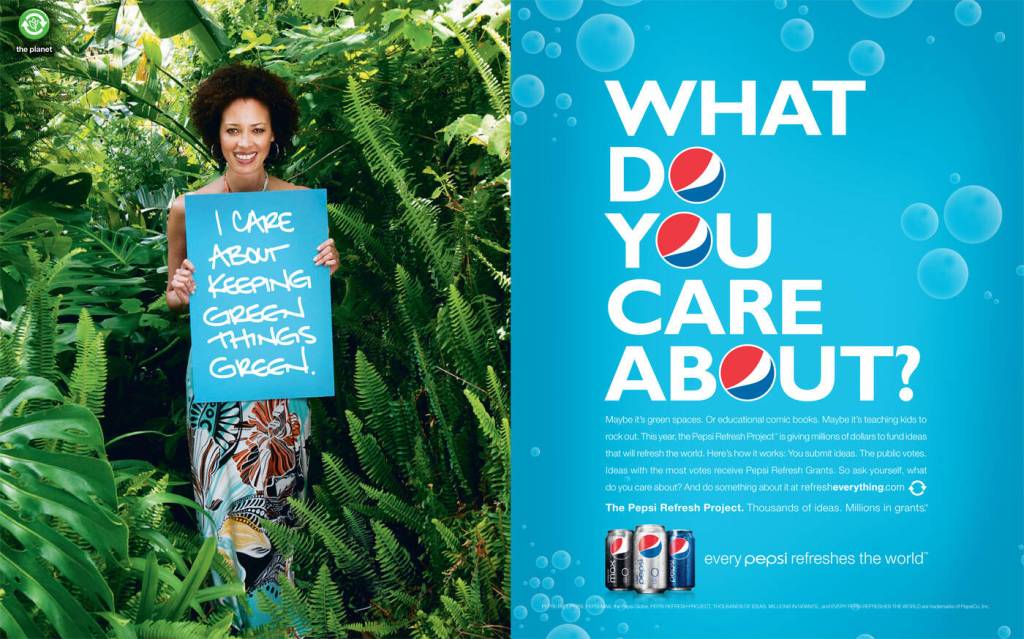
“The Pepsi Refresh Project: A Thirst for Change”

The Pepsi Refresh Project: A Thirst for Change” by Michael I. Norton and Jill Avery describes PepsiCo’s bold attempt to shift its marketing strategy by focusing on social responsibility and cause-related marketing. The project aimed to engage customers, especially millennials, by allowing them to submit ideas for social good projects and vote on which ones should receive funding. This approach was significantly different from traditional marketing tactics prioritizing direct product promotion.

The article examines how the Pepsi Refresh Project leveraged the power of social media to engage with customers and promote social change. The authors argue that the campaign was innovative, promoting the brand and supporting social causes. However, the article also highlights the challenges faced by the campaign, including the need for more alignment between the brand image and the social causes promoted and the tension between profit and social responsibility. Overall, the article provides valuable insights into the potential of cause-related marketing and the importance of authenticity and transparency in brand communication.

The decision of PepsiCo to pass on Super Bowl ads and instead invest in social media programs for their Pepsi Refresh campaign has been the subject of debate and analysis. While traditional advertising during the Super Bowl has been a long-standing tradition, the emergence of social media as a powerful marketing tool has led companies to explore new avenues for reaching their target audience. PepsiCo’s decision to prioritize social media over Super Bowl ads indicates a shift in the marketing landscape and highlights the importance of digital platforms in modern marketing strategies. By investing in social media programs, PepsiCo was able to engage with a wider audience and encourage community participation. The campaign successfully generated buzz and garnered support, with over 80 million votes cast for various projects. (Campaign, 2017) The decision to invest in social media programs allowed PepsiCo to advertise its brand and establish a positive image by promoting social responsibility. In conclusion, passing on Super Bowl ads and investing in social media programs was a good idea for the Pepsi Refresh campaign, leading to increased engagement and positive brand recognition.

References:

Campaign. (2017, April 10). History of advertising: No 185: The Pepsi Refresh Project. Campaign US. https://www.campaignlive.com/article/history-advertising-no-185-pepsi-refresh-project/1424314#:~:text=More%20than%2080%20million%20votes,aware%20of%20the%20Refresh%20Project.

Norton, M., & Avery, J. (2013, August 26). The Pepsi Refresh Project: A Thirst for Change. Harvard Business School. https://services.hbsp.harvard.edu/lti/links/content-launch

Opinions on my Social Media Campaign

As a student enrolled in the MKT 455 course, I can confidently say that my experience so far has been both insightful and challenging. The Social Media Campaign class has been a valuable experience that has significantly helped me advance my marketing skills. The class has allowed me to explore the world of digital media and its impact on marketing. Through the course, I better understand social media platforms’ functionalities and how to leverage them to reach targeted audiences. The course covers various marketing-related topics, including digital marketing and social media campaigns. The assignments and projects are thought-provoking and require critical thinking and creativity, which has helped me develop a deeper understanding of the marketing industry.

Social media campaigns have become an increasingly important aspect of modern marketing strategy. With the rise of social media platforms, businesses can connect with their target audience more directly and personally than ever. These campaigns can increase brand awareness, engage potential customers, and drive sales. I have been working on a social media campaign for Ariat as part of the course. The campaign has been an exciting opportunity to apply the knowledge and skills I have acquired in the course to a real-world scenario. During the research phase of my social media campaign, I encountered a challenge that made me realize that only some of the information I need is readily available. The company I have chosen, Ariat, has been challenging to research as it is a relatively small brand, and most information available about them is incomplete. As a result, I have had to rely on secondary sources, such as customer reviews and third-party articles, to gather information about the company. Although it has taken more effort and time than anticipated, I have gathered enough information to proceed with my social media campaign. This experience has taught me the value of resourcefulness and adaptability, skills I believe will benefit my future endeavors. Overall, the MKT 455 course has been an enriching experience, and I look forward to continuing to develop my skills in the field of marketing.