Social Media Campaigns

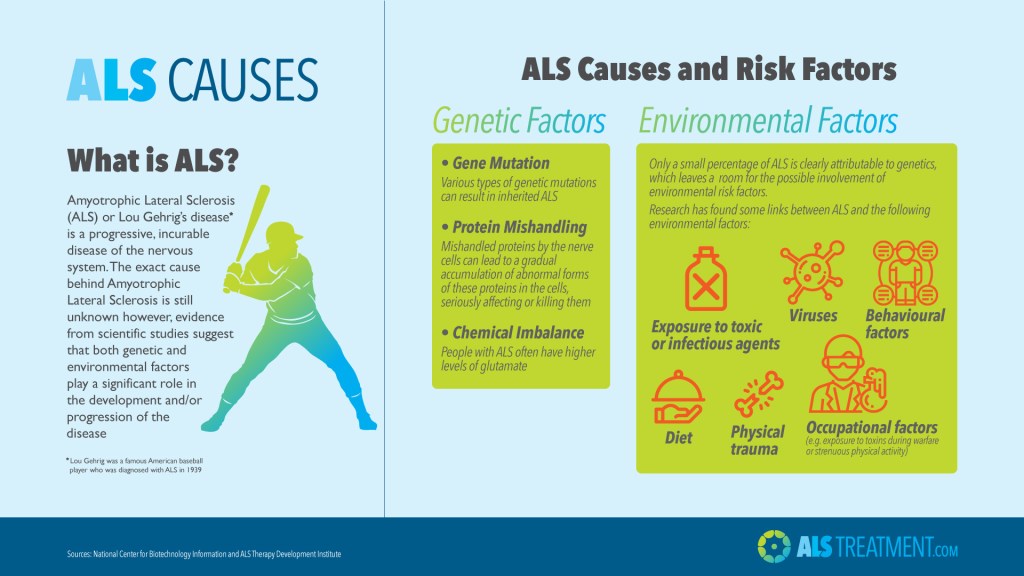
Amyotrophic Lateral Sclerosis (ALS) is a destructive degenerative motor neuron disease that impacts around 5,600 people each year. The Ice Bucket Challenge got started in June and peaked in August 2014.
Target

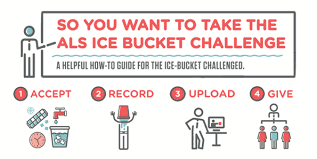
The ALS Ice Bucket Challenge was targeting every person on social media since they were trying to raise as much awareness as possible for the disease. The rules were simple, you would accept the challenge and then get a bucket of ice water dumped on your head while posting on your social media accounts to raise money for ALS. “Many people like a challenge but are deterred if it’s deemed too hard or there are too many steps to consider.” (Hughes, 2018)
Influencers

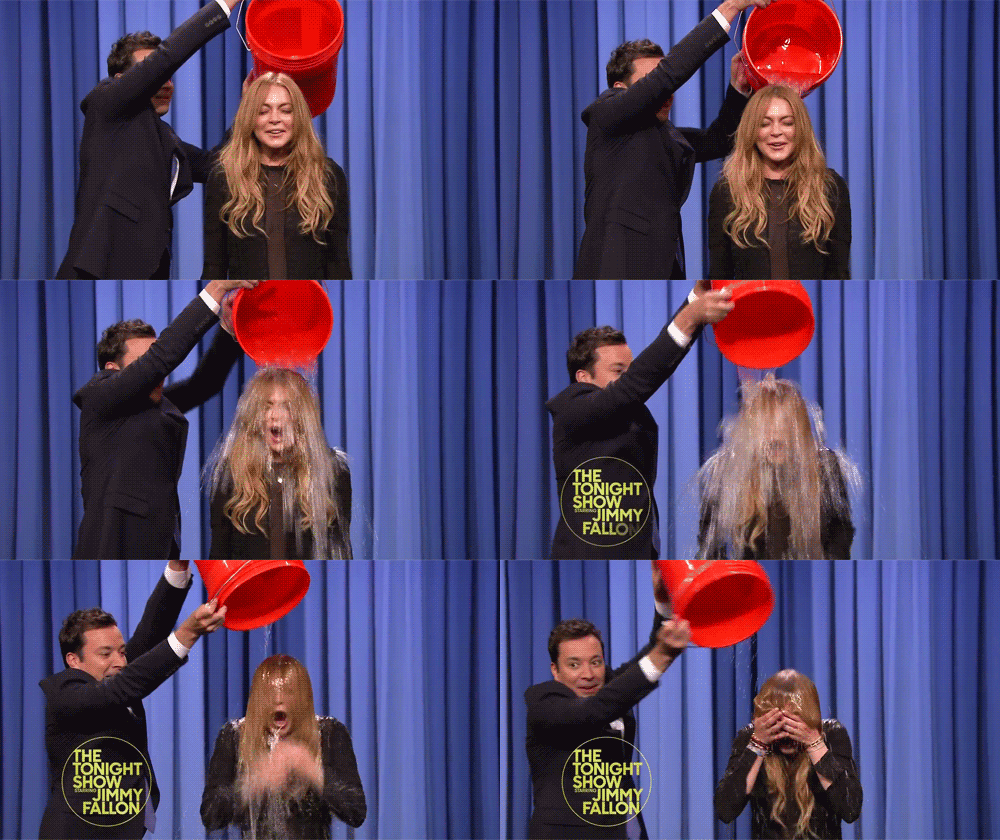
The Ice Bucket Challenge did not start off with the goal of raising money for any certain foundation. In 2015, golfer Charles Kennedy was nominated and accepted the challenge, as his cousin suffered from ALS and decided the funds raised should go towards research for ALS. This sparked many other celebrities, such as Madonna, Justin Bieber, Lindsey Lohan, and Lady Gaga as well as social media influencers to join in the challenge.
Metrics

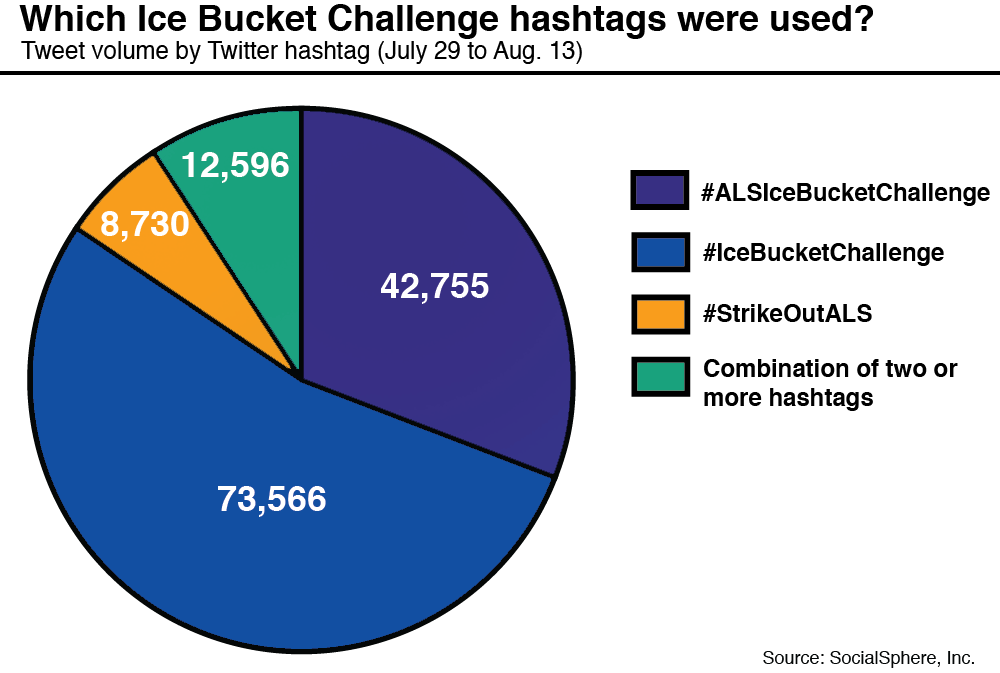
Hashtags and trending keywords were one of the metrics used to measure the success of this viral challenge. The #icebucketchallenge hashtag expanded in a matter of weeks gaining 2.2 million Twitter mentions between July 29 and August 17, 2014. Another metric used to measure the success of the campaign was the amount of money raised. With 17 million videos made participating in the Ice Bucket Challenge, 220 million dollars was raised with 115 million dollars going to the ALS Association.
Recommendations for Improvement

A recommendation that I have for the Ice Bucket Challenge would be that every person should make sure they are in proper health before participating and to make sure the way they are participating is done safely. The Ice Bucket Challenge has been linked to two deaths. One was an 18-year-old man from Scotland who jumped into a flooded quarry and drowned, and the other was a 40-year-old man from New Zealand who had a heart attack. To ensure safety, each participant should tuck their chin to keep her face dry and not hold her breath for long.

Other Considerations

Another consideration that should be thought about is the amount of water that is used since it is a waste of water, and many places are in a drought. Even though money could have been raised without the use of dumping the water on the participant, it would not have raised as much attention and the campaign would not have seen as much success.

References

Chamary, J. V. (2014, November 1). The Ice Bucket Challenge Can Kill. here’s why you’re doing it wrong. Forbes. Retrieved October 2, 2022, from https://www.forbes.com/sites/jvchamary/2014/08/25/ice-bucket-challenge/?ss=pharma-healthcare&sh=6c78facd32d5

Hughes, D. (2019, September 25). The ALS Ice Bucket Challenge Phenomenon. Digital Marketing Institute. Retrieved October 2, 2022, from https://digitalmarketinginstitute.com/blog/viral-marketing-the-als-ice-bucket-challenge

Olenski, S. (2017, March 20). 7 marketing lessons from the Als Ice Bucket Challenge. Forbes. Retrieved October 2, 2022, from https://www.forbes.com/sites/steveolenski/2014/08/22/7-marketing-lessons-from-the-als-ice-bucket-challenge/?sh=5827f9df7586

Email and Content Marketing: Crossing the Line?

The ad campaign that I believe crossed a line, big time, was the 2015 Bloomingdale holiday ad.

The image shows a sharply dressed man and a woman who is laughing with her head turned away from the man. The text reads: “Spike your best friend’s eggnog when they’re not looking.” The department store, which is owned by Macy’s, issued an apology, but for many consumers, it was too late.  The ad was suggestive that the digital campaign encouraged date rape. I believe playful humor can be useful in marketing, however, you must ensure that what you are portraying is not a controversial or sensitive topic. Since Bloomingdale’s put this in their Holiday Ad, it was in a printed format and could not just be deleted simply like on social media. Even though it was not posted online by the brand, it did not take long for consumers to take to the internet to show their disappointment in the brand’s choice of advertisement.

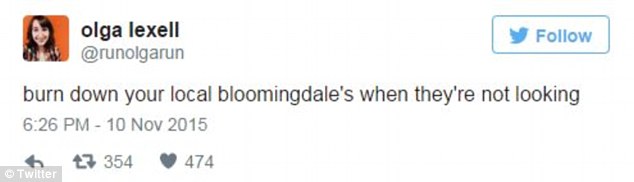
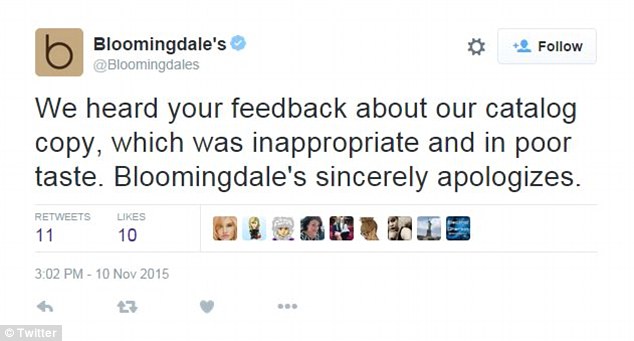
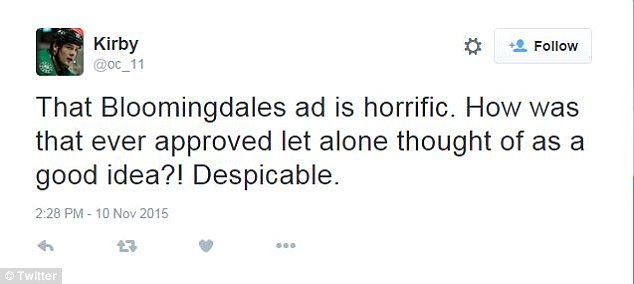
Bloomingdales did issue a sentence and a half-apology on Twitter, but it was not well received by their following. An example of the tweets the ad had received on Twitter was not positive.

There were many consequences to this advertisement, the major being the fallout of the brand’s following on social media and the number of customers who had canceled their credit cards with the company. This leads to a decline in customers coming into the store and shopping online as well as those who had dropped the company’s credit card and chose to not engage with the brand in the future.

Reference:

Paquette, D. (2021, November 25). What a creepy Bloomingdale’s ad tells us about America’s understanding of rape. The Washington Post. Retrieved September 21, 2022, from https://www.washingtonpost.com/news/wonk/wp/2015/11/12/what-a-creepy-bloomingdales-ad-tells-us-about-americas-understanding-of-rape/

Green for Profit or Green for the Environment?

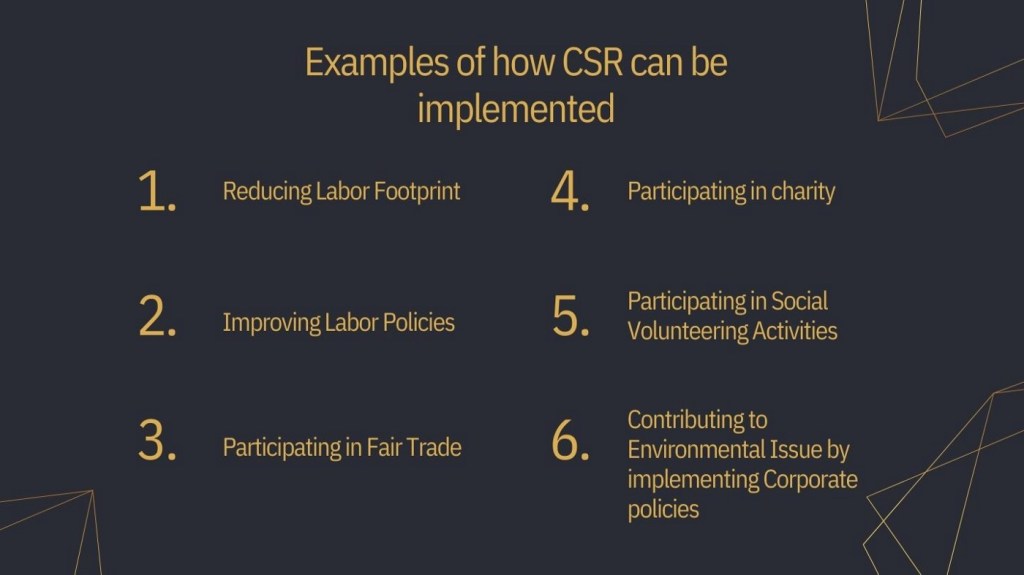
Corporate social responsibility (CSR) is vital not just for the environment, society, and the world at large, but also for corporate reputation. Corporate social responsibility strategies improve consumer trust which leads to increased revenue for businesses. A survey of more than 10,000 people aged 18 to 25 years old in 22 countries found that climate change and pollution are the most important issues facing the world, according to Generation Z. (Clifford, 2021)

So how does Google conduct business in a socially responsible way?

In September 2020, Google announced that it matched 100 percent of its global electricity use with purchases of renewable energy for the third year in a row. They signed agreements to buy power from more than 50 renewable energy projects, about the same as a million solar rooftops.

Some of the renewable energy projects that Google started in 2020 include:

  • Google’s first offshore wind project in the North Sea contributes electrons to the grid where the Belgium data center runs.
  • Google began purchasing power from a solar farm in the Antofagasta region of Chile to match the load in South America.
  •  In Singapore, Google distributed solar panels to hundreds of public housing rooftops to source new clean energy for the country.
  • To give a boost to U.S. data centers, large-scale solar and wind projects have been started.

Google hasn’t always been so responsible, however. The company has come under fire for tax avoidance. Google handles paid licensing and subscriptions to its services via holding companies in tax haven jurisdictions such as Bermuda and the Netherlands. Both countries do not collect an income tax, which allows Google to report the transaction as occurring at the seller’s location, not the buyers’, so most of its sales outside the U.S. are not taxed. Technically legal, but the governments are being cheated, and citizens call it highly unethical.

I believe that Google intends to be green for the environment, and with its numerous renewable energy projects, they are heading in the right direction.

References:

Clifford, C. (2021, July 15). Google CEO Sundar Pichai: Climate is ‘bar none’ the no. 1 concern for young people. CNBC. Retrieved December 6, 2022, from https://www.cnbc.com/2021/07/15/google-ceo-bar-none-climate-is-young-peoples-top-concern.html

Hölzle, U. (2021, April 20). Four consecutive years of 100% renewable energy—and what’s next. Google achieves four consecutive years of 100% renewable energy | google cloud blog. Retrieved December 6, 2022, from https://cloud.google.com/blog/topics/sustainability/google-achieves-four-consecutive-years-of-100-percent-renewable-energy

Ungoed-Thomas, J., & Helm, T. (2021, October 31). Osborne’s ‘Google Tax’ on overseas profits now raises zero revenue, Treasury reveals. The Guardian. Retrieved December 6, 2022, from https://www.theguardian.com/politics/2021/oct/31/osbornes-google-tax-on-overseas-profits-now-raises-zero-revenue-treasury-reveals

Top Dog Versus Underdog

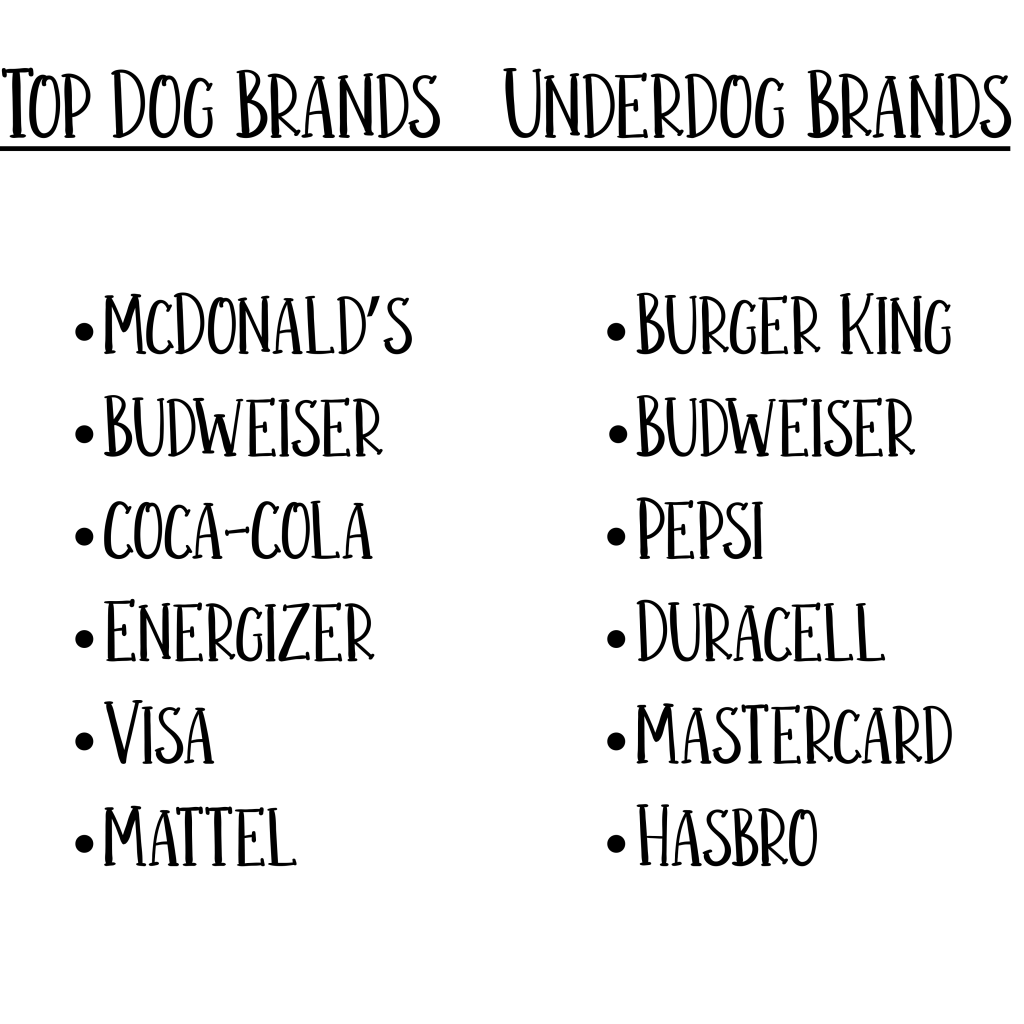
Let’s talk about Top dog brands vs Underdog brands.

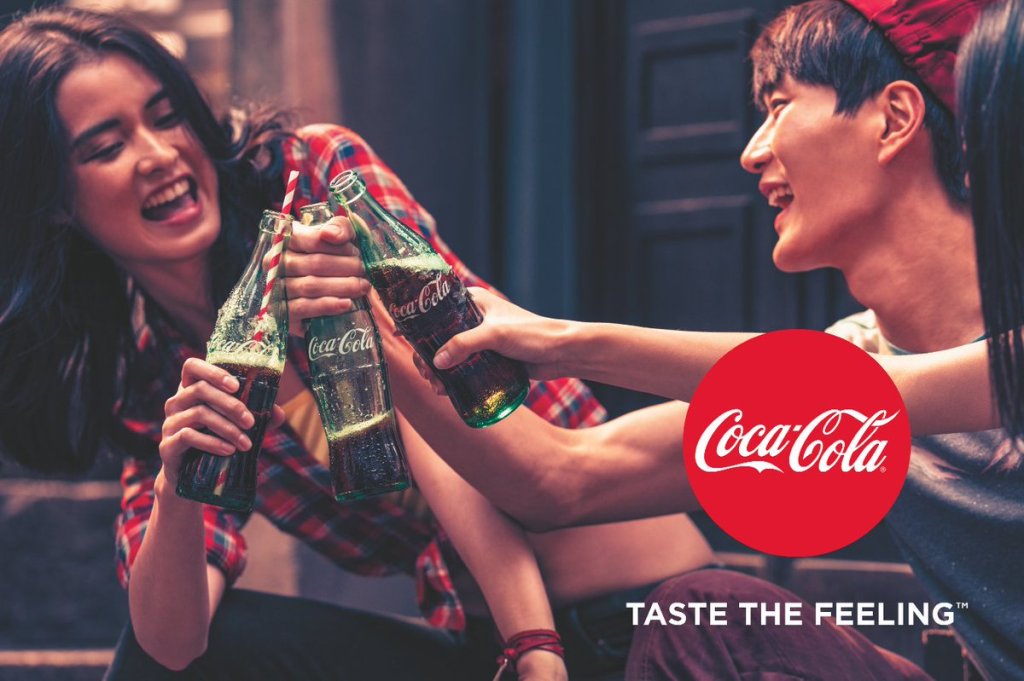
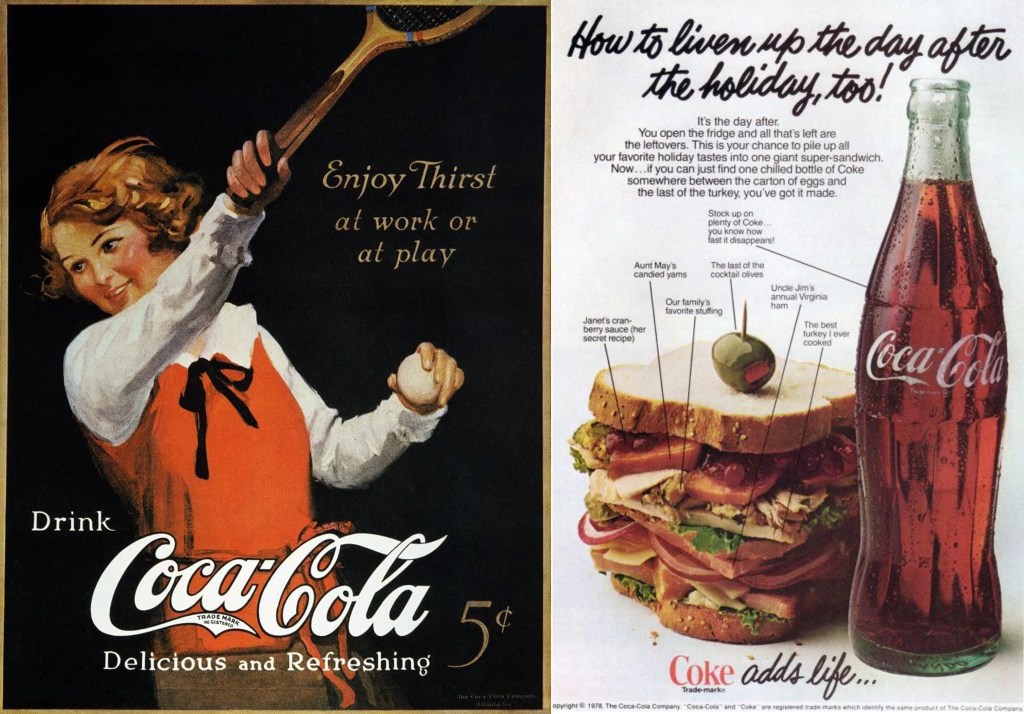
Competition between brands is natural, but few rivalries are as ingrained in our culture as the long-standing battle between Coca-Cola and Pepsi. Since its birth at a soda fountain in downtown Atlanta in 1886, Coca‑Cola has been a catalyst for social interaction and inspired innovation. Coca-Cola is available in multiple countries all over the world making it one of the most recognizable brands on a global scale. Pepsi, originally marketed as Brad’s Drink in 1893, was edgy and more centered on value.

What are the marketing strategies?

Coca-Cola’s marketing strategy is focused on tradition and emotions. Their marketing message is targeted to wider demographics; with the direct message of “friendship, love, and kindness”. They make themselves seem like a lifestyle product by portraying themselves as a drink to share on special occasions with friends and family. This gives the brand a positive outlook on how they fit into everyone’s lives.

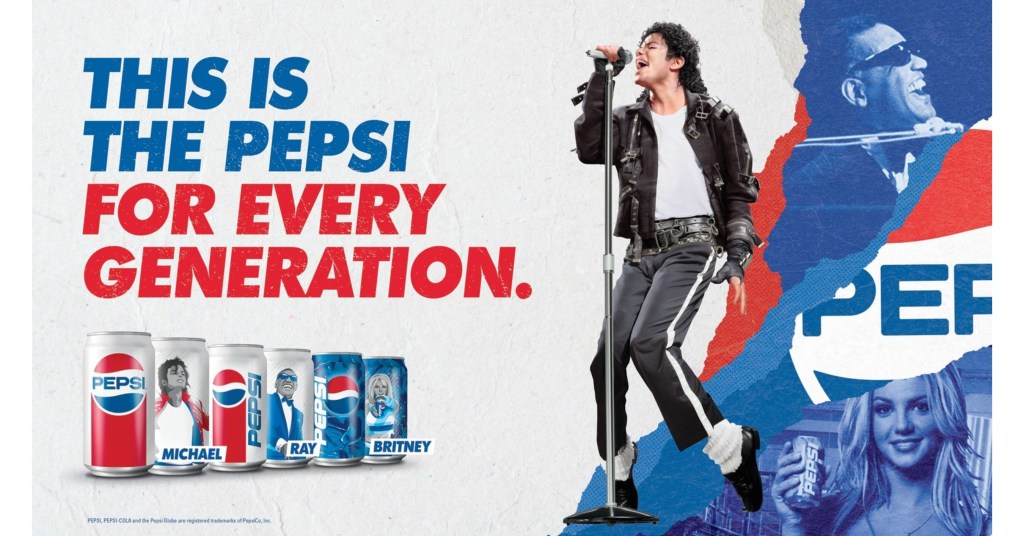
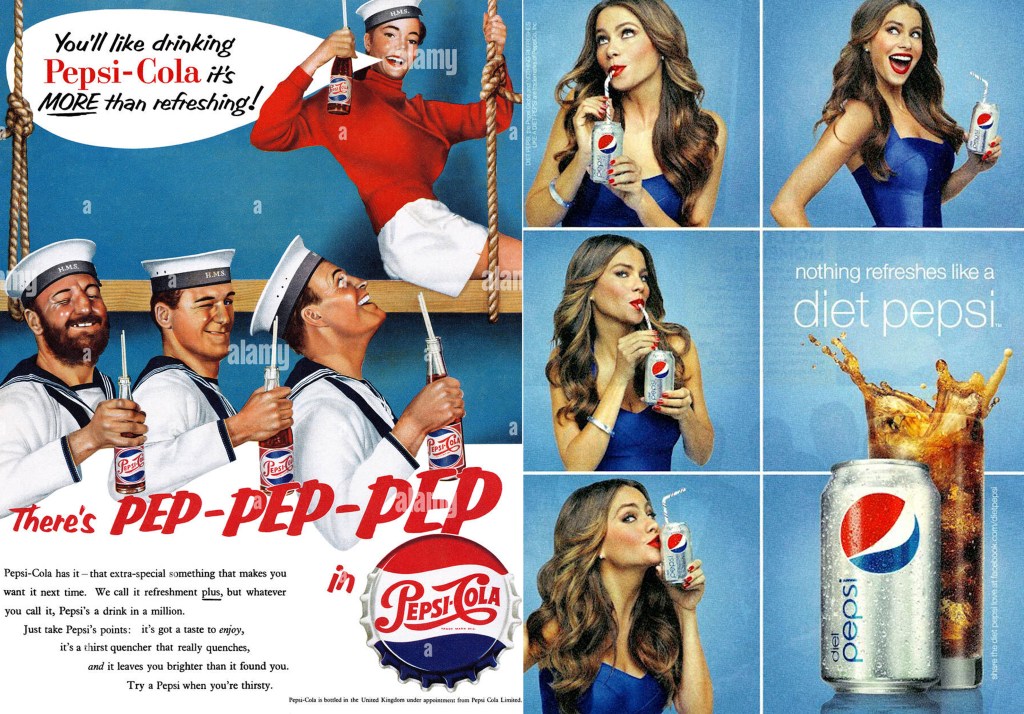
On the other hand, Pepsi uses a reactive strategy. They aim to target a younger demographic and use celebrities and social media influencers to help sell their products. Pepsi has used celebrity endorsers such as Michael Jackson, Madonna, Ray Charles, Beyonce, Britney Spears, and Kendall Jenner in their advertisements.

So how can Pepsi improve its strategy so that it can gain more market share and surpass Coca-Cola?

Pepsi is already working hard to compete with Coke and is taking major steps to try to surpass them in the soda industry. One of the major things they can do right now offers their products at a cheaper cost than Coca-Cola offers theirs. With inflation on the rise, soda is becoming a luxury item and fewer consumers are buying these items when grocery shopping. Pepsi could advertise that they are lowering its prices during these hard times and could see an increase in sales over the Coke brand. Another strategy that Pepsi could take would be to engage its customers on a more personal level. The use of celebrities and influencers catches the attention of the younger generation, however, the view on certain celebrities can change and then damage the Pepsi brand. A prominent example of this was Tiger Woods in 2009 when rumors of his infidelity surfaced, and brands began to drop him as a sponsor to avoid the backlash from consumers. Lastly, Pepsi can keep offering variations of its soda to keep up with the competition of Coke. With Pepsi Nitro, a coffee beverage, and their new team-up with Starbucks creating their line of BAYA energy drinks, they are creating competition for Coke to keep offering variations of its products as well.

There are many factors that go into what makes a brand a top dog and what makes its competitors an underdog. I believe that because Coke is the original cola-flavored soda, it is preferred more over Pepsi. The brand draws in loyal, traditional consumers who can easily recognize the brand and recount an advertisement they have seen by Coke. For me, I think Pepsi is the lowest quality soda judging by taste and I avoid restaurants that only serve Pepsi soda.

So, which do you prefer?

References:
Kraft, K. (2018, October 22). The Pros and cons of celebrity endorsements. Baer Performance Marketing. Retrieved November 29, 2022, from https://baerpm.com/2018/01/02/pros-cons-celebrity-endorsements/#:~:text=Celebrities%20are%20plastered%20all%20over,celebrity%20to%20represent%20your%20brand.

Peterson, K. (2022, April 7). Pepsi and Coca-Cola are releasing these 4 new Sodas. Eat This Not That. Retrieved November 29, 2022, from https://www.eatthis.com/news-coca-cola-pepsi-new-sodas-spring-2022/

YouTube. (2014). Top 10 Business Rivalries. YouTube. Retrieved November 29, 2022, from https://www.youtube.com/watch?v=1OE4Q60Dzyw.

Under Armour: Where Do We Go from Here?

Under Armour was a small startup founded in 1996 by Kevin Plank with their first product being Prototype #0037 – “The Shorty”. The shirt was soft, skin-tight, and wicked sweat faster than any of the other workout gear available. By 2021, the brand is sold in over 100 countries, and employ over 17 thousand employees.

In 2013, Under Armour had $2.3 billion in sales yet only $500 million came from its women’s apparel. (Maheshwari, 2014) Plank was ready to expand into the female market segment. So, in 2013, the company launched a new campaign.

“I Will What I Want”

Under Armour targeted active women who were into spin classes, kickboxing, barre, and yoga. The overall strategy was to highlight the underdog female athlete and emphasize their strength to overcome the challenges faced against them.  The ad displayed nonconventional women beautifully and powerfully excelling in their sport.

Here are some key points to remember when implementing segmentation strategies.

  • Know your audience. Understanding how a customer will use your product will make sure it is marketed properly.
  • Know your geographic targets. When implementing segmentation strategies, you need to consider where your target market is located, cultural norms, and languages.
  • Know how to engage. Engaging personally with your audience through social media is key to connecting with your consumers in a positive and relative manner.
  • Develop a messaging strategy. A message that resonates with your target audience and sparks interest in your brand within the consumer.

A new market segment that I have noticed over the past few years is LGBTQ+ families. I see a rise of more pride-focused ads showing same-sex families, and couples in print and video. Negative attitudes toward same-sex families have decreased in the last few years and more brands proudly display their support throughout the month of June, but this segmented market is missing support for the rest of the year. Data points showed that 60% of consumers believed brands that integrated same-sex couples in their ads were being inclusive and establishing a relationship with both, LGBTQ, and non-LGBTQ audiences. (Motivate, 2018)

References:

Maheshwari, S. (2014, July 31). Why under armour made that mesmerizing ad with ballerina Misty Copeland. BuzzFeed News. Retrieved October 31, 2022, from https://www.buzzfeednews.com/article/sapna/under-armours-powerful-new-misty-copeland-ad-kicks-off-recor#.ookjnO1r9

Motivate. (2018, February 20). Building a marketing strategy that reaches LGBTQ families. Motivate ROI. Retrieved October 31, 2022, from https://motivateroi.com/building-a-marketing-strategy-that-reaches-lgbtq-families/

Consumer Who? Consumer You!

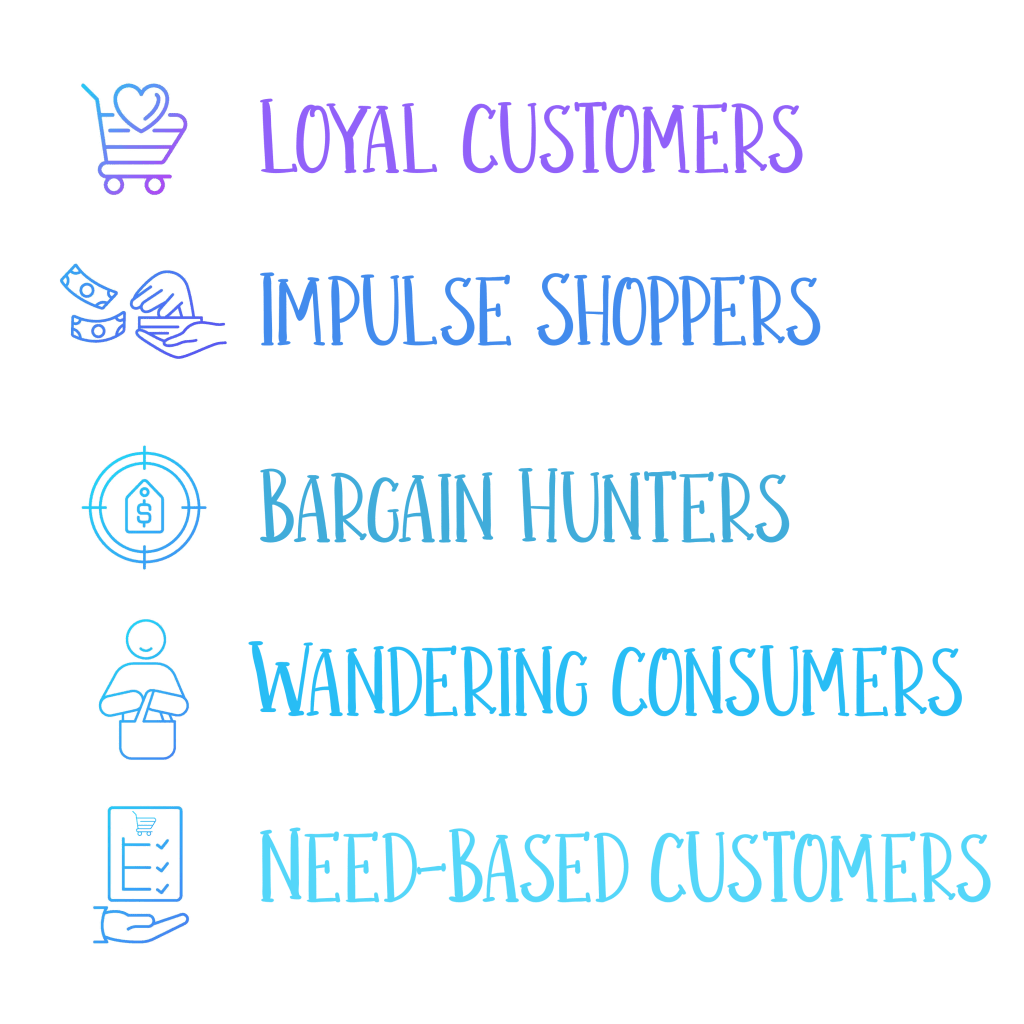
There are many different types of consumers and understanding the type of consumers who purchases your products can help you make a diverse range of decisions for your business. The different types of consumers are:

As a consumer, I am a loyal customer but also an impulse shopper. I am loyal most to brands such as Amazon, Coca-Cola, and Samsung. I like to shop at places where I am familiar with their brands, products, prices, and how they will meet my needs. As an impulse shopper, I tend to snag a soda at the checkout, a cute sweater hanging by a walkway, or an item on sale that seems too good to pass up.

Some of the things that influence my buying decisions would be the shipping time of online retailers, customer reviews, product packaging, and new product releases or upgrades. Sometimes my children are all the influence it takes to get me to make a purchase.

The Consumer Decision Process

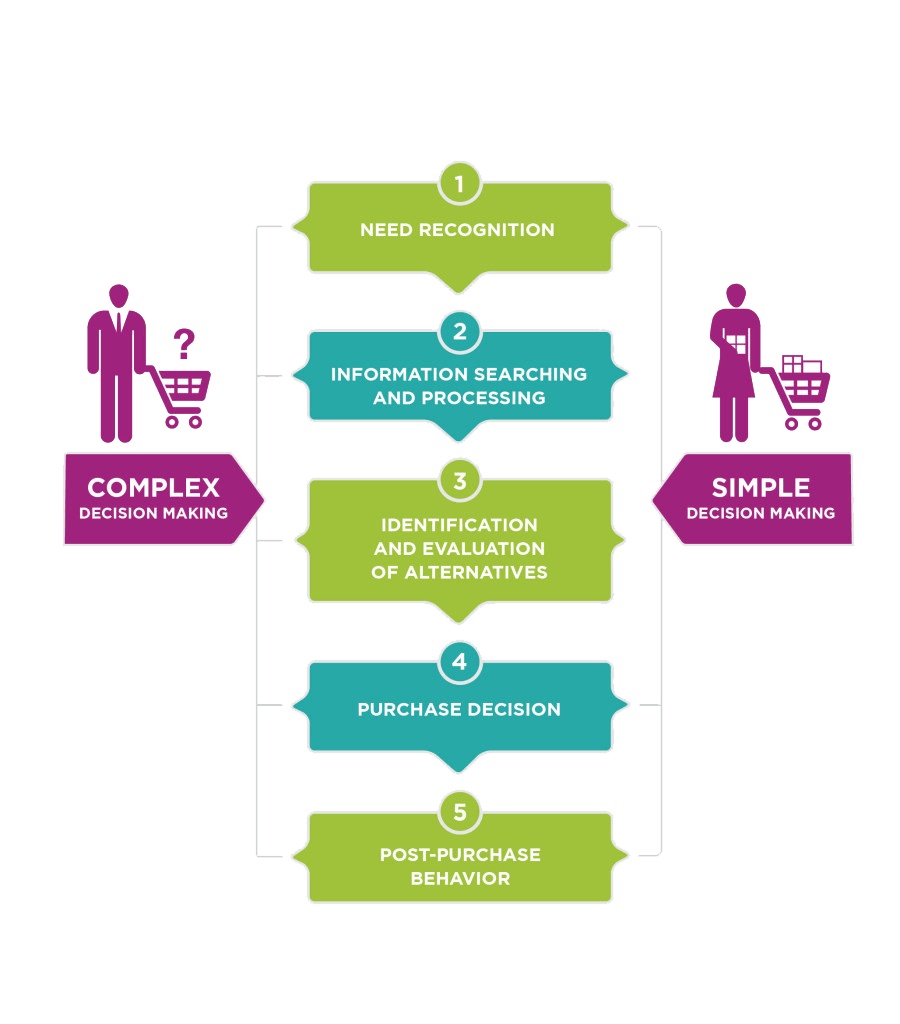
The evaluation of alternatives is the third stage in the Consumer Buying Decision process. This is the stage that leads to my purchasing decisions. Evaluation criteria vary from consumer to consumer and from purchase to purchase, just as the needs and information sources vary. For a product, I may consider price most important while for another I put more weight on the quality or convenience of the product.

What about marketing design?

There are times that I am influenced by marketing design, and typically it is with products that I am not very loyal to a certain brand. Typically, when it comes to groceries or household products, I will just choose what is the best bargain and meets my needs. However, I can not pass up the opportunity to purchase a new humidifier because it looks like R2-D2 from Star Wars. This will also apply to online retailers. If a website or app for a brand is easy to access and I can find things with ease, will influence me to shop with them rather than one that is confusing and not easy to navigate. By putting thought and effort into the marketing design, you could find an audience that might have only been interested in your product from competitors by the way you designed it and marketed it to the public.

Buyer’s Remorse….

Buyer’s remorse is a feeling of regret or anxiety after having made a purchase. It might happen with something as trivial as a cup of coffee or something as important as real estate or a car, and often the guilt is accompanied by stress and panic. Since I have a habit to impulse shopping, especially when I find that I have some extra money, I have experienced buyer’s remorse a time or two. It is mainly when I purchase something online and did not do enough research into the product before purchasing. I have experienced this with clothing, home décor, and little knick-knacks I purchased for my kids on a whim. Usually, it is because the description of the product did not match up with the product received. This is where shopping online is a challenge at times.

There are many positives and negatives to being a consumer and shopping with your favorite brands. By being thoughtful and aware of your purchasing decisions, you can ensure to have less buyer’s remorse and more positive experiences with your shopping adventures.

Digital Advertising Predictions

In the coming years, a significant influence will be made by the digital advertising industry. In the ever-evolving industry of digital marketing, there are always new ways to reach your goals and increase your brand awareness. As technology expands in the digital advertising industry, we become more advanced throughout the world, and we will see more benefits of using a digital platform for marketing.

The three trends that I predict will have the most significant impact on digital marketing over the next five years are long-term influencer-brand relationships, voice search, and interactive content.

1. Long-term influencer-brand relationships

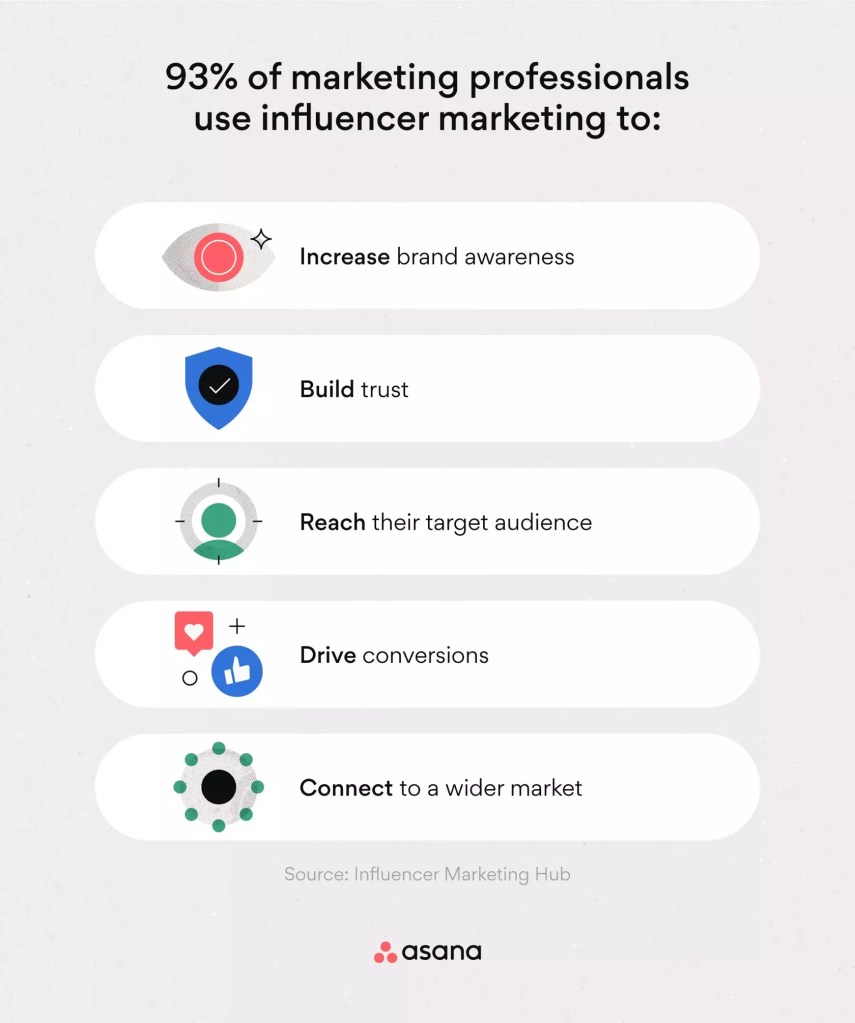
One of the best marketing strategies has always been word-of-mouth advertising. Influencer marketing, which involves a collaboration between a brand and an individual with a specific niche and large online following, takes that concept and modernizes it for today’s new digital era.

Influencer Marketing Industry is expected to reach $16.4B in 2022. Brands are seizing the opportunity to build more authentic connections with their target audience by influencers maintaining trust with their audience by promoting the same brand over time. Given that more marketers are seeing the value that working with influencers brings, you can expect more brands to engage in influencer marketing or increase the budget allotted for it.

2. Voice Search

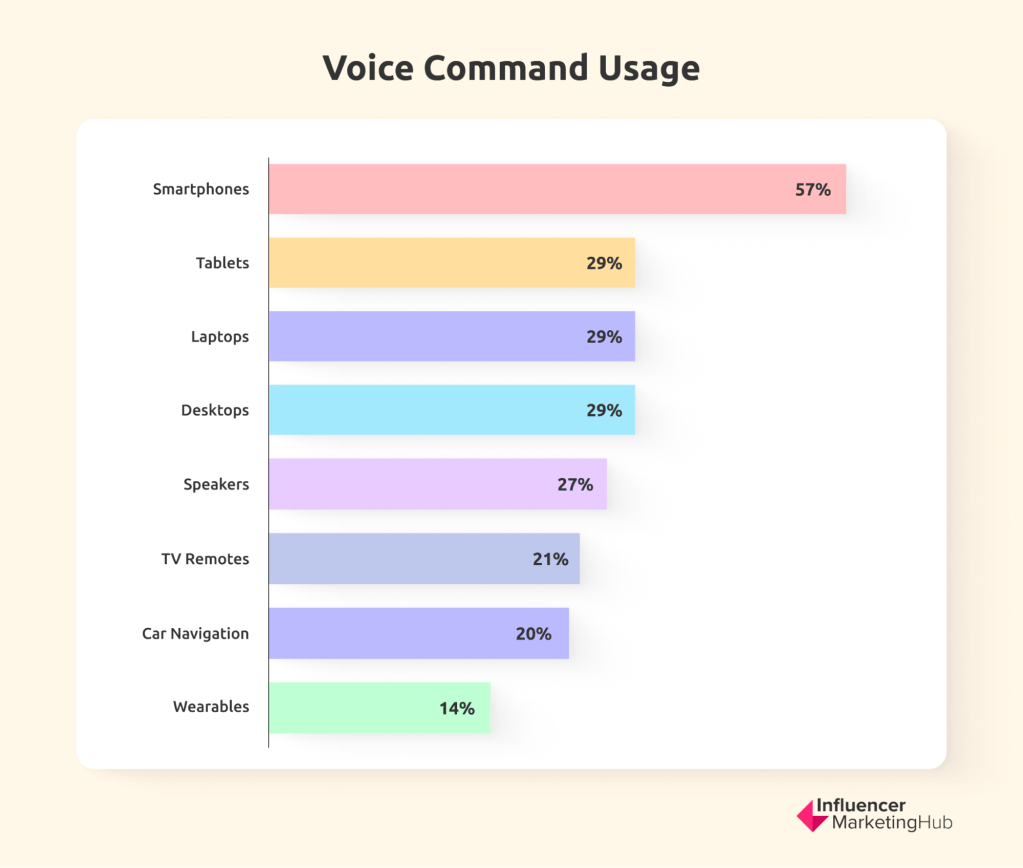
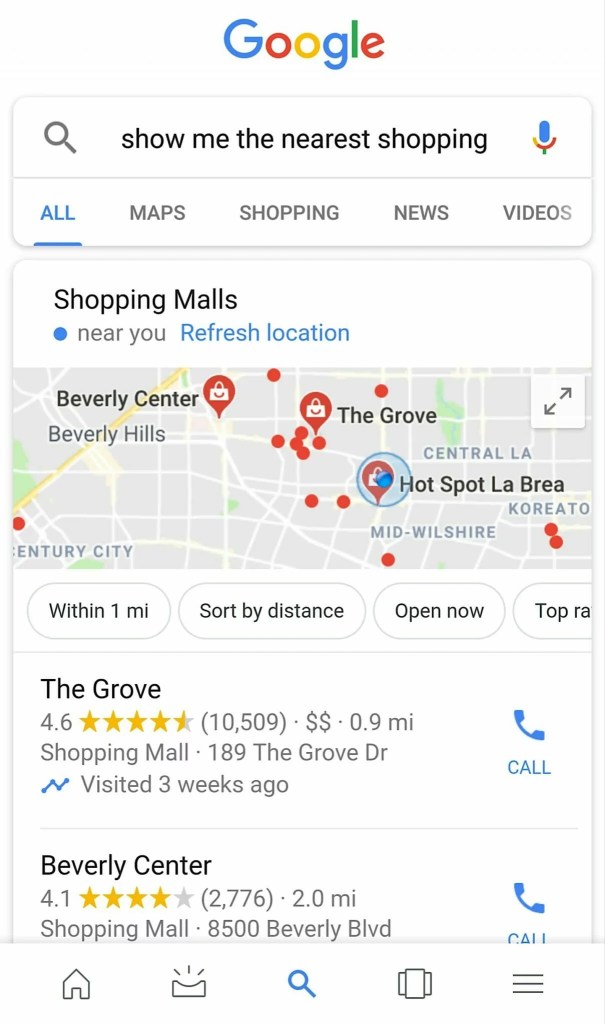
Alexa has been the leading smart speaker brand in the US.  and experts estimate that by 2027, the brand will attain a total market size of $34.4 billion. Voice search already plays a crucial role in providing relevant information for search engine users. Google Assistant has 1 million actions and Alexa has over 100,000 skills, which represent functions that allow their voice assistants to react very specifically to user commands and queries.

3. Interactive Content

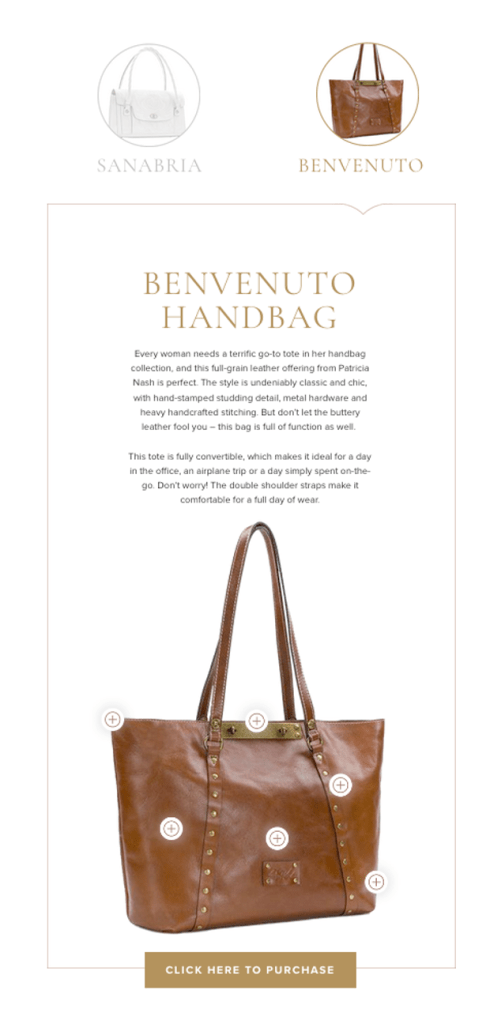
We have seen a shift from traditional text-based content toward dynamic, engaging content that offers users an immersive experience. Visual content is 40x more likely to be shared on social media — and it increases conversion rates by 86%. Some elements that offer an interactive experience for consumers are quizzes and polls, augmented reality (AR) ads, 360- degree videos, filters to try on products, such as makeup and glasses, and interactive emails. Interactive content is a great trend to try if your content marketing goals include enhanced audience engagement, improved customer learning, more leads and conversions, increased brand loyalty, and streamlining the customer experience.

References:

Asana, T. (2022, July 13). 16 marketing trends and strategies for 2023. Asana. Retrieved October 10, 2022, from https://asana.com/resources/marketing-trends

Dave, N. (2022, September 20). 38 Digital Marketing Trends you can’t ignore in 2022. Single Grain. Retrieved October 10, 2022, from https://www.singlegrain.com/digital-marketing/digital-marketing-trends-2022/

Keshari, P. (2022, August 30). 8 reasons to include interactive content in your marketing strategy. Welcome. Retrieved October 10, 2022, from https://marketing.sfgate.com/blog/reasons-to-include-interactive-content-in-your-digital-marketing-strategy

Petrov, C. (2022, August 19). 50+ voice search stats to help you rethink your strategy in 2022. Techjury. Retrieved October 10, 2022, from https://techjury.net/blog/voice-search-stats/

Pokornyik, R. (2022, May 7). 12 types of interactive content to drive better engagement. Single Grain. Retrieved October 10, 2022, from https://www.singlegrain.com/blog-posts/content-marketing/7-types-of-interactive-content-why-and-how-to-use-them/

Mountain Dew introduces a new Star Wars flavor

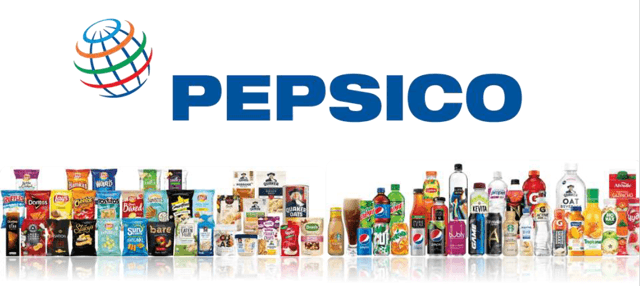
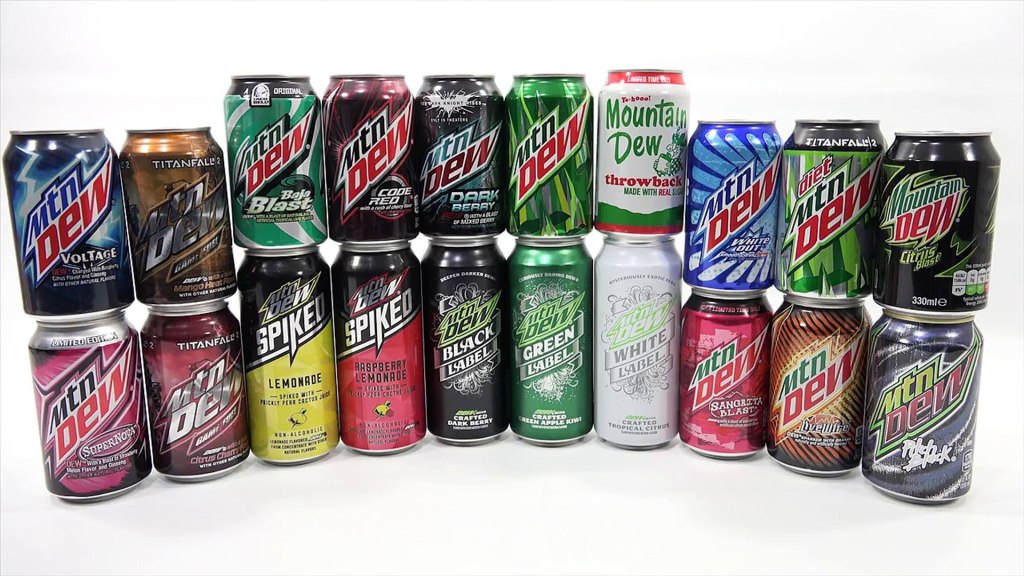
For my final project, I am choosing to focus on the PepsiCo company. I chose this company because I have a passion for food photography, and they have thousands of brands of foods and beverages that reflect how varied consumer tastes are around the globe. A few of the major brands represented include Pepsi, Doritos, Tropicana, Quaker Oats, and Gatorade. The brand that I will keep my focus on is the Mountain Dew soda line.

Mountain Dew was first formulated in 1940 by Barney and Ally Hartman of Tennessee, United States. The brand was taken over by PepsiCo in 1964. Mountain Dew is the second most valuable soft drink brand of PepsiCo behind Pepsi. With its one-of-a-kind citrus taste, Mountain Dew excites and quenches with every sip. The permanent DEW product line includes Mountain Dew Code Red, Mountain Dew LiveWire, Mountain Dew Real Sugar, Mountain Dew Voltage, and Mountain Dew White Out. Nineteen of their flavors you can buy at any retailer. Five of their flavors are sold at only certain retailers. The Baja Blast is only available at Taco Bell and the Maui Burst is only available at Doller General. The Game Fuel line, as well as Typhoon, is only available at select online retailers.

Forest Moon Brew

Just in time for the latest Star Wars movie, meet Forest Moon Brew, and ZERO SUGAR Forest Moon Brew, our exciting new take on the classic strawberry kiwi flavor you love. Every Ewok and human alike will have this new flavor in hand at every summer event this year.
This is not a drill! The newest additions to the DEW lineup are available now, nationwide. And the best part? It’s here to stay, so you can keep the summer vibes going even when the temps drop.

Our research objective is to determine the appeal of a new flavor that teams up with a blockbuster hit Disney movie release. The marketing primary research process will begin with exploratory research, we’ve got to get some baseline information in place before we begin the launch. To begin gathering the information we will focus on the target audience being millennial men that spend their time outdoors and enjoy adventures. Mountain Dew was a huge following on Facebook with 7.8 million followers and they actively post and respond to comments on their page. They already create hype on their social media platforms introducing new flavors, so this will be the same route we go with the new product. Partnering up with Disney will allow us to expand our target audience to families and the zero-sugar line will appease health-conscious families.

Reference:
Our products. PepsicoUpgrade. (n.d.). Retrieved June 29, 2022, from https://www.pepsico.com/our-brands/creating-smiles/our-products

Babin, B. J. (2018). Essentials of Marketing Research. [MBS Direct]. Retrieved from https://mbsdirect.vitalsource.com/#/books/9780357463703/

Whirlpool: Customer-Driven Social Media

Background

Founded in 1911, Whirlpool has been a strong brand for over 100 years. They produce and sell kitchen and laundry appliances. Their target audience is young families, however, there was no connection between the company and its customers, unless something was wrong with their product. The industry appeared stuck in a state where innovation seemed impossible. So, Whirlpool decided it was time to change how people viewed doing everyday household chores. This is when the campaign was born.

The Project

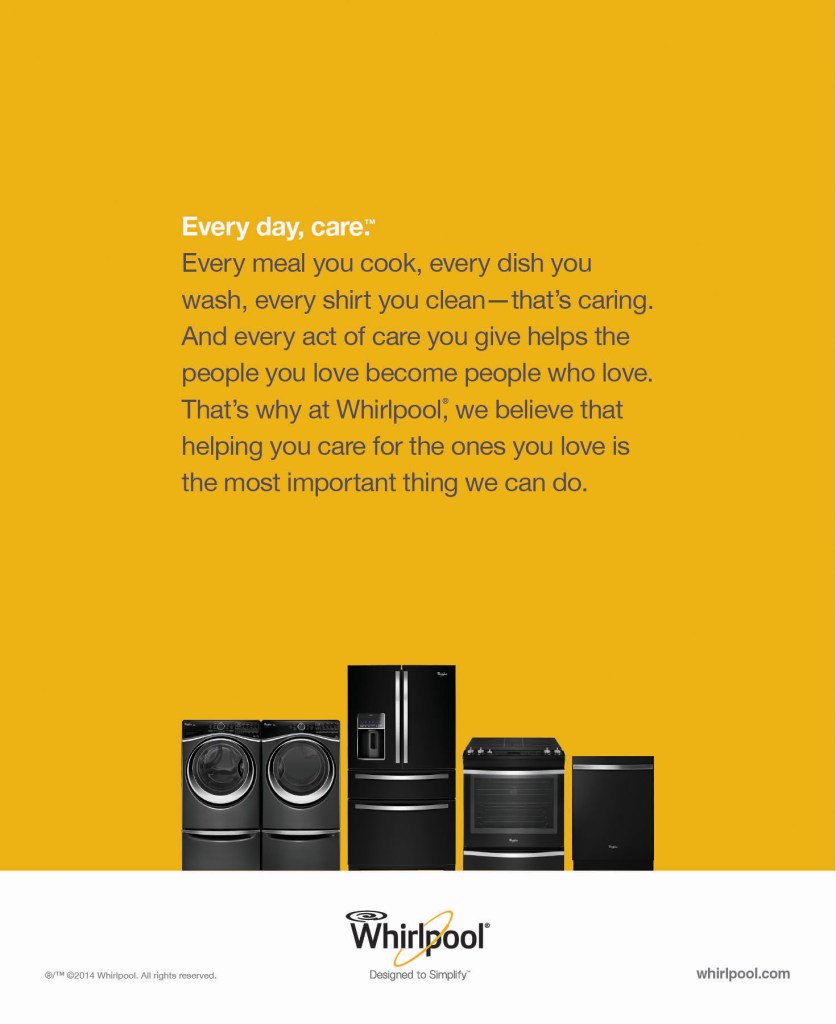
The challenge of this campaign was to get people to connect with Whirlpool. Research showed that people do not like household chores because they often seem insignificant and time-consuming. As a result, no one cared enough about the appliances they use to do those chores, to create loyalty to one brand. This is when Whirlpool created their Every Day, Care (#Everydaycare) campaign, changing the way people looked at doing household chores in the kitchen or laundry room. It presented real-life emotional scenes, such as a mother carrying her child in the pouring rain from the car to the house and a teenager throwing a pair of jeans down the stairs for his mom to put in the laundry. To inspire, drive and curate conversations and content across social media, the brand built a community of 17 thousand passionate advocates, thanks to Crowdtap, who got the conversation going by sharing their stories of “Every day, care” with text, images and videos. More than 44 thousand pieces of authentic user content were collected, and the best content was cross-promoted across paid, earned and owned channels.
Whirlpool used the authenticity of everyday chores to show how much value these tedious tasks hold. It reminded consumers that they do these things to help shape the people they love. As a result, showing these relatable narratives caused people to make a more emotional connection with Whirlpool.

Results
In qualitative terms, the campaign achieved making a more personal connection with its consumers. It successfully met the needs and wants of the consumer by using its website to allow people to upload and share their videos and projects, creating a deeper connection with consumers. Consumer sentiment shifted with sales lifts, rising from -0.3 to +4.6 on a five-point scale. It also won the Best Social Media Tool award during the 8th Annual Shorty Awards.
In quantitative terms, the campaign achieved an increase in sales by 6.6% and an increase in purchase intent scores by 10%. Whirlpool also saw 12% year-over-year unit growth.

Conclusion
The only thing that I believe they can work on is the fan base that follows them on social media. On Facebook, they have 1.2 million followers and on Instagram, only about 21 thousand followers. On Facebook, it seems as though the brand has put the least amount of effort into design or strategy.  They post blog articles related to cleaning and taking care of your home. Most of the engagements with their following are still dealing with problems with their products, rather than a deeper, personal connection.

Reference:
#EveryDayCare – whirlpool, DigitasLBi and Crowdtap. The Shorty Awards. (n.d.). Retrieved May 28, 2022, from https://shortyawards.com/8th/everydaycare-whirlpool-digitaslbi-and-crowdtap-2


Branding: A Day in the Life

Social media is my preferred method for keeping in touch with my friends and loved ones. Especially while I was serving in the U.S Army, the easiest way to share my life was with digital media. The social media sites that I use the most would be Facebook and Instagram.

These two social media platforms are like each other in the ways they are used. My reactions to using these forms of digital media are both positive as well as negative.

Positives:

  • Access to latest news – current events that are local and being shared around the world.
  • By using a popularity-based feed, you stay updated on friends and family.
  • Easy to use the ad services, track traffic flow, and use the engagement rate to see how successful posts are doing.
  • Easy to create a personal, business, or professional profile.

Negatives:

  • Can be time consuming – loss of productivity.
  • Fake accounts can be made to hack others or portray themselves as someone they are not.
  • Daily overuse of media and technology has a negative effect on mental health.

I feel my digital media needs are being met on both a personal and professional level. I feel Facebook is more useful on a personal level because I can easily interact with my friends while sharing pictures and videos and even do some shopping. Instagram, I feel meets my needs on more a professional level. It is more direct with just sharing images rather than posts with lots of text. Having direct links to my website helps drive traffic with little effort put into the posts themselves

Another part of digital media is email communications. I do most of my shopping online, thanks to the Covid-19 pandemic. I find myself checking my emails for any good deals on my favorite places to shop or any promotional items that may be introduced, that I can try out before it is released to the masses. The emails that catch my attention the most are clean and minimal so its easy to read and understand. Usually having the words “sale”, “deal” or “save” catch my eye quickly.

Just as I and the rest of the world use digital media to stay connected, business both big and small are doing the same. What better way to find your target audience than where they are already spending their time? You can run a Facebook ad for a certain amount of time and maximize the audience that sees it whenever someone comments, reacts or shares the ad on their profiles. This also helps build brand consistency and engage with your current and future clients.

References

Driskell, J. (n.d.). Definition: Facebook. The Online Advertising Guide. https://theonlineadvertisingguide.com/glossary/facebook/

Zafeiris, C. (n.d.). Definition: Instagram. The Online Advertising Guide. https://theonlineadvertisingguide.com/glossary/instagram/

American Psychological Association. (2011, August 6). Social networking’s good and bad impacts on kids [Press release]. https://www.apa.org/news/press/releases/2011/08/social-kids