Unlocking Growth for Small Town Shops Through Social Media

In today’s digital age, even the smallest businesses in the smallest towns have a remarkable tool at their fingertips: social media. While many small-town shops rely heavily on word-of-mouth and local reputation, incorporating social media marketing can unlock incredible new opportunities to expand customer reach, strengthen relationships with locals, and ultimately boost sales. Here’s why social media marketing is becoming essential for small-town shops looking to thrive.

1. Reach Beyond the Locals

In small towns, customers are often limited to locals and nearby residents. While these communities are invaluable to a shop’s foundation, social media marketing provides a way to go beyond physical borders. Platforms like Instagram, Facebook, and TikTok can help showcase products to visitors, tourists, and even those willing to make the trip from nearby cities. By sharing posts that highlight unique products, hometown charm, or specialty services, small-town shops can appeal to a wider range of people who might be curious enough to stop by on their next trip.

2. Strengthen Community Connections

Small towns thrive on close-knit relationships, and social media allows these relationships to flourish in a virtual space. When customers see a local business posting about events, featuring customers, or sharing behind-the-scenes content, it creates a sense of familiarity and trust. Responding to comments, thanking customers, and sharing positive reviews are all ways to build goodwill, making locals feel valued and included in the shop’s journey. This digital connection can reinforce community loyalty, turning followers into repeat customers and genuine supporters.

3. Cost-Effective Advertising

Many small-town shops operate on tight budgets, and traditional advertising—like print or radio ads—can be expensive with limited reach. Social media offers a far more budget-friendly alternative. By using free features like posts, stories, and reels, shop owners can spread the word without spending a penny. For shops with some marketing budget, even a small amount allocated to social media ads can significantly expand their visibility. Ads can be customized to target people in nearby areas, helping to draw in potential customers who may not know about the shop.

4. Showcase Unique Products and Storytelling

Small-town shops often carry unique, handpicked, or locally made products that big-box stores don’t. Social media is an ideal platform to showcase these items in an authentic, visual way. Platforms like Instagram and Pinterest are perfect for sharing high-quality images of products, while TikTok and Facebook provide the space to share videos, customer testimonials, and behind-the-scenes looks at your shop. This storytelling approach can create a personal connection with followers, who will be more inclined to support a business they feel connected to.

5. Real-Time Customer Feedback

Social media allows businesses to interact with customers in real-time, making it easier to receive feedback and respond to concerns. By monitoring comments, messages, and reviews, shops can better understand what their customers want and address any issues promptly. This open communication channel strengthens the customer experience and builds trust, as patrons know their voices are heard and valued.

6. Boosting Word-of-Mouth Marketing

For small-town shops, word-of-mouth is vital. Social media amplifies this traditional form of marketing, enabling happy customers to share their experiences with friends, family, and followers. When customers tag the shop in posts, leave positive comments, or check in, it creates organic promotion. Other locals or potential visitors who see these interactions may be more likely to check out the business. With the right social media strategy, a single customer’s good experience can lead to new followers, more foot traffic, and ultimately, sales.

7. Seasonal and Local Event Promotions

Small-town shops often rely on the local calendar—whether it’s holiday shopping, community events, or seasonal festivals. Social media provides a quick, easy way to promote any special events or sales to the community. If your town is hosting a fair or parade, for instance, you can use platforms to let potential customers know about special offers, extended hours, or any community involvement you have planned. These promotions can attract both locals and out-of-towners who may be in town just for the occasion.

8. Staying Competitive

While your shop might be the only one of its kind in town, e-commerce competition is fierce. With countless products available online, customers have many choices at their fingertips. By leveraging social media, your shop can stay competitive, offering a unique, personalized experience that online retailers struggle to match. Posting regularly on social media allows small-town shops to stay top-of-mind, reminding locals and visitors alike why shopping local has so much value.

Final Thoughts

Social media marketing has transformed the way small-town shops can engage with their communities and reach new customers. By combining the benefits of online visibility with the personalized, welcoming touch that small-town businesses are known for, social media becomes a powerful tool for growth. So, if you’re a small-town shop owner looking to expand your reach, build stronger community connections, and share your unique story, social media marketing is your key to success. Embrace the platforms, and watch your business thrive both online and off!
Social Media and Me

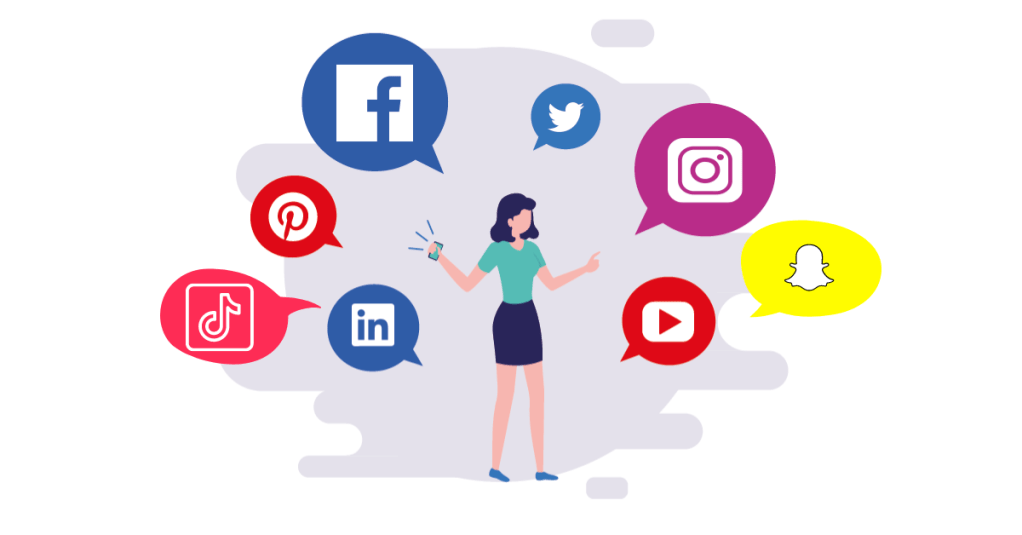
Let’s face it, we live in an era where social media is the peanut butter to our jelly. It’s woven so tightly into our daily routines that we can’t imagine a life without it. As a professional, I understand the importance of utilizing social media tools to enhance my online presence and connect with my target audience. I use social media platforms like LinkedIn, Twitter, Instagram, and Facebook to stay engaged with my followers, share my expertise, and promote my brand.

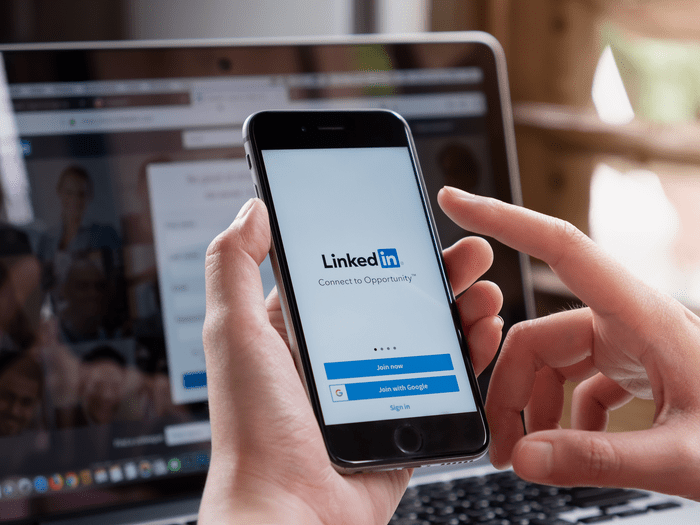
LinkedIn is my go-to social media tool for professional networking and building relationships with other industry professionals. With over 700 million users, it offers a vast network of potential clients, partners, and collaborators. You can use LinkedIn to promote your brand, increase visibility, and engage with your target audience. By leveraging LinkedIn’s vast network of professionals across various industries, you can establish yourself as a thought leader in your respective fields and gain a competitive advantage. One of the things that I like about LinkedIn is the ability to showcase my professional accomplishments and connect with other professionals in my industry. However, LinkedIn’s algorithm can be frustrating, as it often prioritizes popular posts over relevant content, making it difficult for users to be noticed and gain traction.

On Twitter, I share my thoughts and ideas on industry trends, provide valuable tips to my followers, and promote my brand through relevant hashtags. With over 330 million monthly active users, Twitter feeds a vast potential audience for you to reach your target market. You can also use Twitter to share content, build brand awareness, engage with customers, and drive website traffic. One of the key benefits of Twitter is its real-time nature, which allows me to stay current with breaking news, industry events, and thought leadership content. By following relevant hashtags and industry influencers, I can quickly access information and insights that help me stay ahead of the curve.

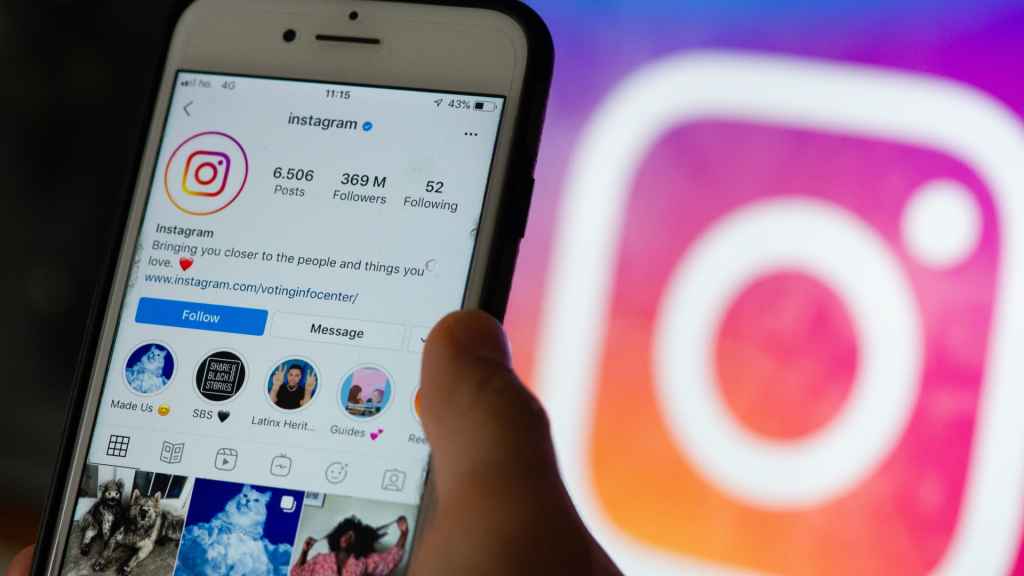
Instagram is where I showcase my personal brand and create a content strategy that includes a mix of promotional and educational posts, behind-the-scenes glimpses, and user-generated content. In addition to creating an attractive feed, engaging with the Instagram community by liking, commenting, and sharing content from relevant accounts is crucial. This increases brand visibility and fosters relationships with potential customers and industry influencers. One of the things that I appreciate about Instagram is its visual nature. Unlike other social media platforms that rely on written content, Instagram is primarily a visual platform that allows users to share photos and videos. This makes it an excellent tool for businesses to showcase their products and services in a visually appealing way and for individuals to express themselves creatively.

Facebook allows me to connect with friends and family and share industry-related content with my followers. Facebook can be useful for networking, building your brand, and staying updated with industry news and trends. I can connect with colleagues and potential clients, share updates on my business or industry, and advertise my services to a targeted audience. Facebook also offers a variety of advertising options, including sponsored posts and targeted ads, that can help increase brand awareness and drive traffic to my website. Facebook groups provide a space for like-minded individuals to come together and discuss topics of interest, which can be a valuable resource for businesses looking to connect with their target audience.

In addition to these platforms, I utilize Hootsuite to manage my social media accounts, schedule posts, and analyze engagement. This tool simplifies my social media management, allowing me to efficiently monitor and respond to comments, mentions, and direct messages. I also use Canva and Photoshop to create visually appealing graphics and images to enhance my social media posts. Using various social media tools, I can effectively communicate my brand and engage with my audience meaningfully.

Benefits of Social Media Marketing

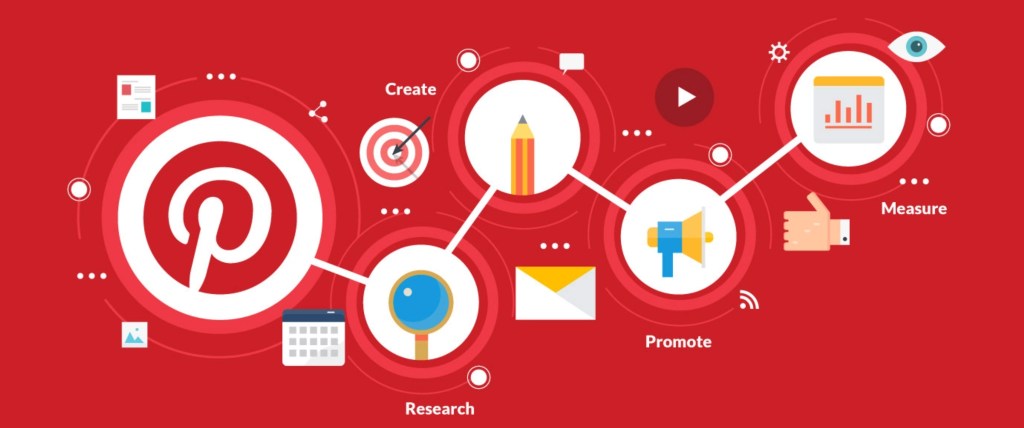
Are you using Pinterest to plan your wedding, find inspiration for new paint in your home, or use Pinterest for business? Pinterest is not just a social network; it’s also a visual search engine and productivity tool. Pinterest is a social media platform allowing users to share images and save them to boards to discover new interests and products visually. Pinterest makes it easier for users to find new products and can assist in making the best purchase decision. Pinterest offers a unique way for businesses to market themselves as a visual search engine.

Pinterest Analytics overviews your account’s performance, top boards, and pins from the last 30 days.

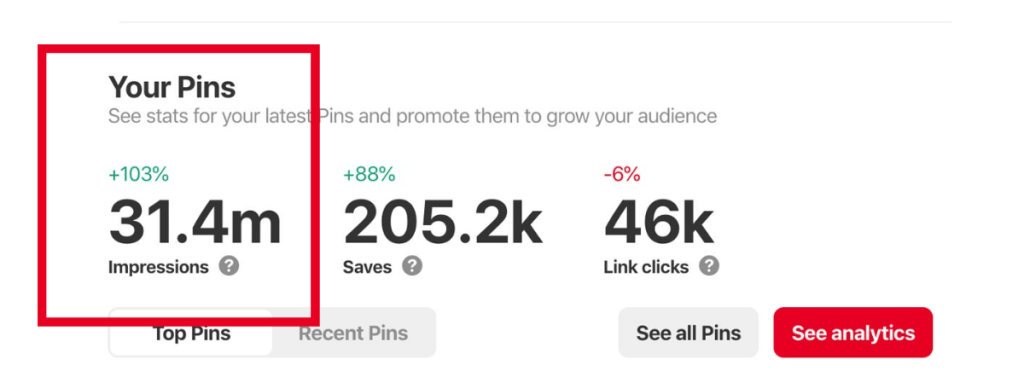
Impressions

Impressions are the number of times your pins were shown on Pinterest’s app or website. This metric is a good measure of your content’s performance on Pinterest, including the hashtags and keywords used.

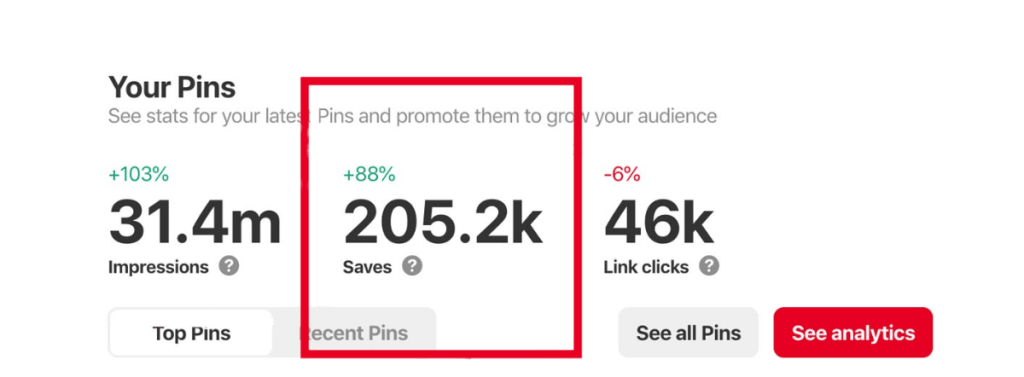
Saves

This metric displays how many Pinterest users added your pin to their Pinterest profile, also known as repinning. By saving your pins, your audience can go back later and view your content and have a direct link to your site.

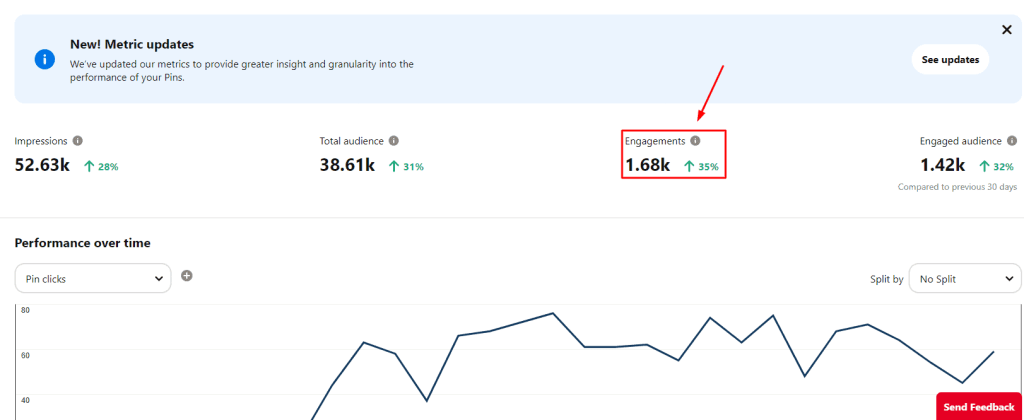
Engagements

Engagements are the total number of times Pinterest users clicked on or saved your pins. The engagement metric in Pinterest analytics includes saves, outbound clicks, carousel card swipes, and pin clicks. This metric is an excellent indicator of how well your pins perform and your audience’s reception of each pin. This tool can be used alongside the audience metric to calculate the average rate users engage with your pins.

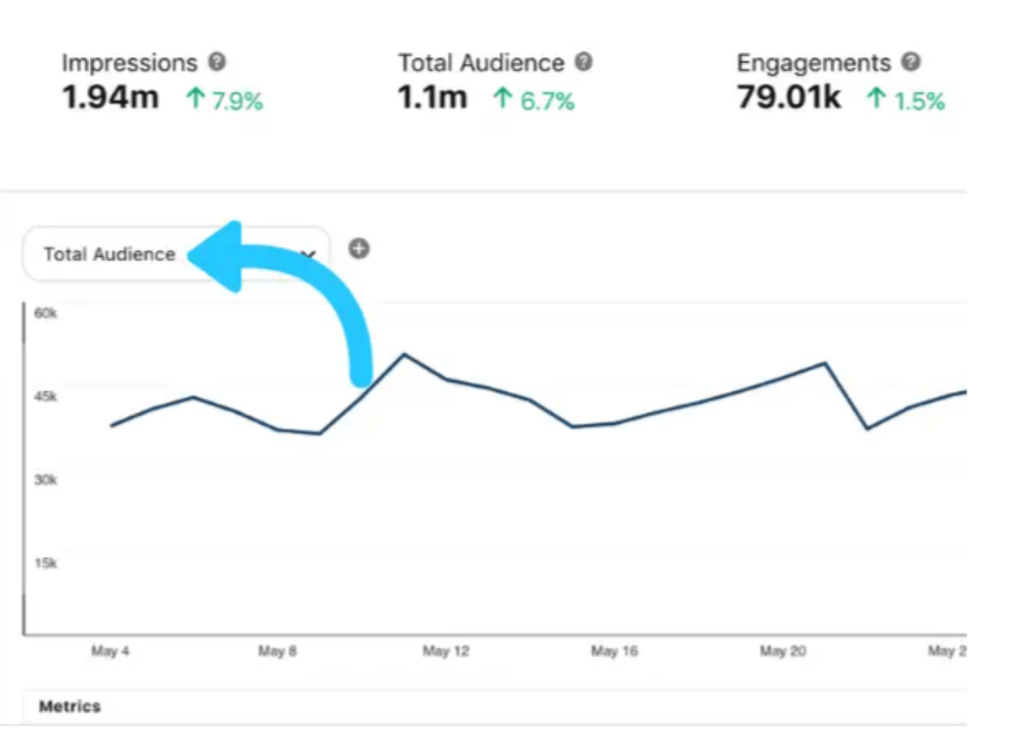
Total audience

This metric measures how many unique views your pins have. You might experience a higher number of Pinterest impressions, which indicates that the same person views your pins multiple times. This happens when the topic you picked is trending.

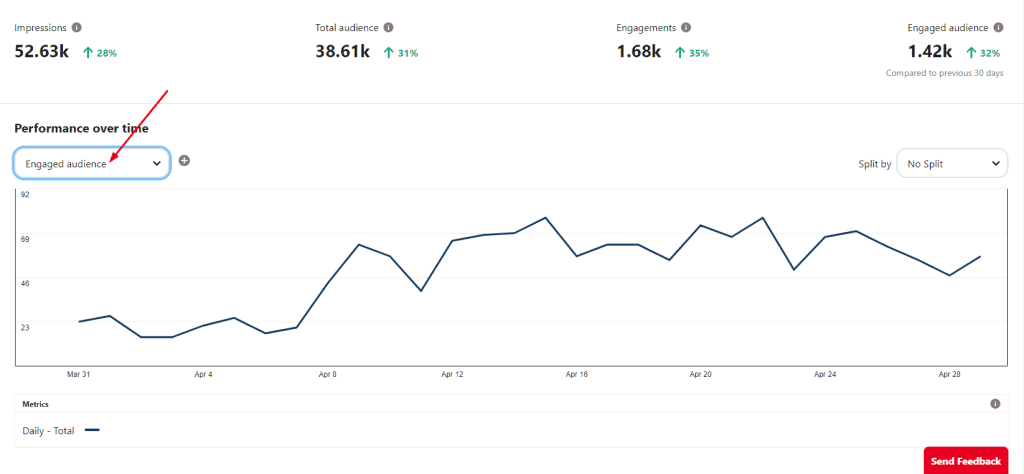
Engaged audience

This metric calculates the number of people who engage with your pins by clicking, saving, reacting, commenting, or sharing. This metric will enable you to outline a more precise understanding of how well your pins are doing.

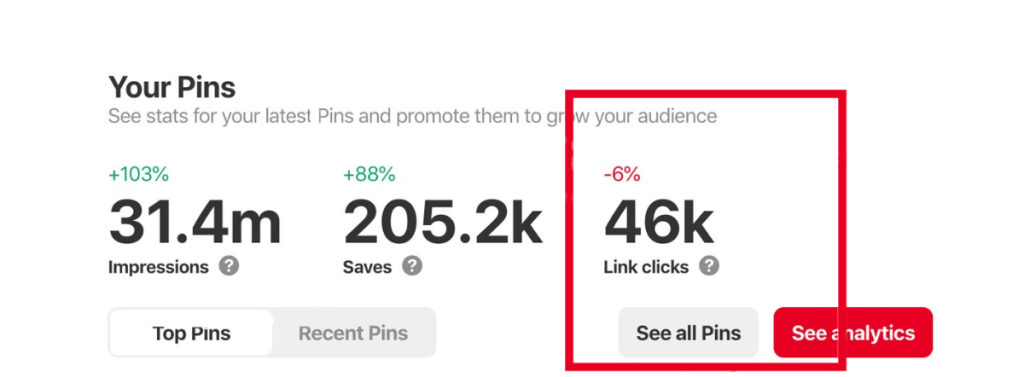
Outbound clicks

Once known as link clicks, outbound clicks are the number of times a Pinterest user has clicked on a hyperlink you’ve attached to your pin. This metric is an excellent measure of whether your pins’ calls to action are working and if leads are turning into paying customers and helping you generate ROI.

Demographics

The Pinterest audience metric can help you understand your audience’s demographics on this platform. This metric provides insights into your audience’s demographics, including their location, gender, and age. You can target your pins to a particular gender, location, and interests. With this tool, you’ll be able to make better, more informed decisions about the kinds of content you pin and how you engage with your audience on the platform.

With the insights you gain from these Pinterest analytics, you’ll be able to make better, more informed decisions about the content you pin and how you engage with your audience on the platform.

Reference:
Review pinterest analytics. Pinterest Help. (n.d.). Retrieved January 23, 2023, from https://help.pinterest.com/en/business/article/pinterest-analytics#:~:text=Pinterest%20Analytics%20helps%20you%20understand,decisions%20and%20customize%20your%20content.